

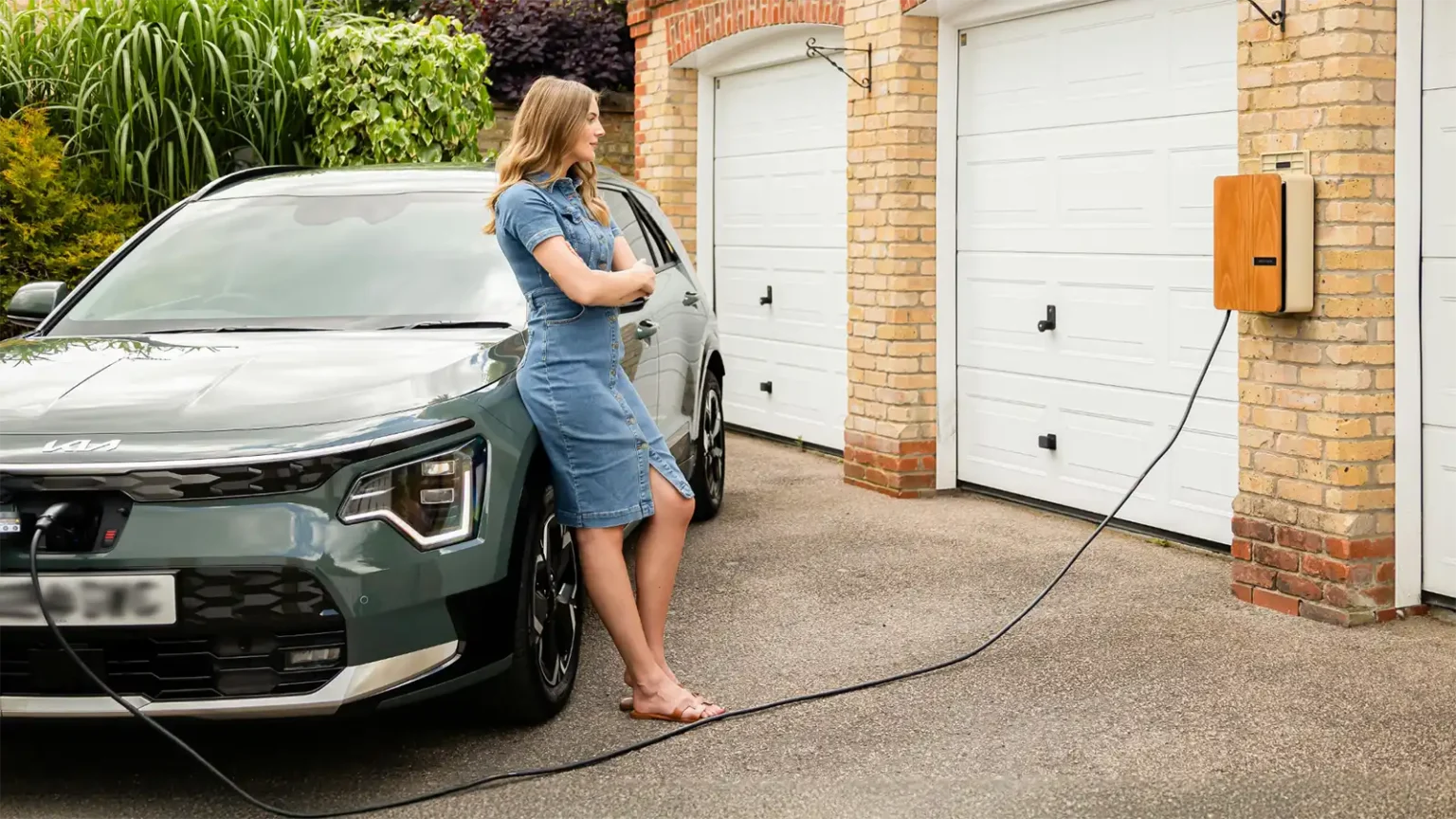
Electric vehicle (EV) adoption is on the rise across Ottawa, from the high-rise condos in Centretown to the single-family homes in Kanata and Barrhaven. For many drivers, home charging is the ultimate convenience: you plug in at night and wake up to a “full tank” of electricity.
But here’s the catch — the process for condo EV charger installation in Ottawa is often much more complex than for a single-family house. Condo owners must navigate building bylaws, work with their condo board, and consider shared electrical infrastructure, while homeowners have more direct control over their property and electrical service.
In this guide, we’ll break down the key differences between condo and house installations, review Ottawa-specific bylaws and condo board rules, cover parking garage setups, and give practical tips to make your project run smoothly.
Condo owners must go through formal board approval and may face higher costs and longer lead times, but Ontario’s “Right to Charge” laws are on your side.
House owners can often get a charger installed in days, not weeks, at a lower cost — but still need to check electrical panel capacity and pull ESA permits.
Level 2 chargers offer the best speed-to-cost ratio for Ottawa residents, charging most EVs overnight at home.
Ottawa bylaws require EV-ready wiring in all new multi-unit builds, signalling that home charging will soon be standard.
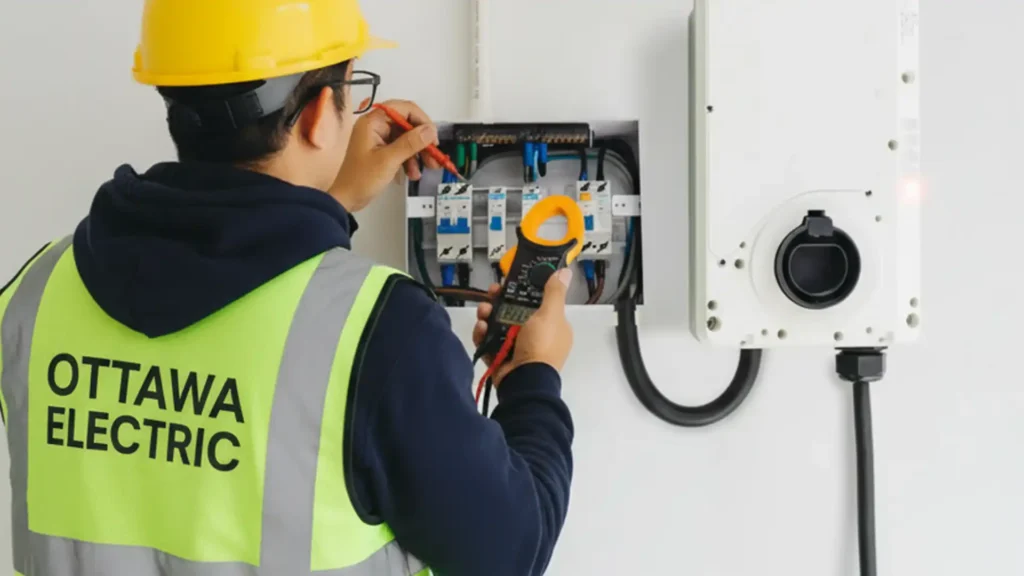
All installations — condo or house — require an Electrical Safety Authority (ESA) permit, inspection, and compliance with the Ontario Electrical Safety Code.
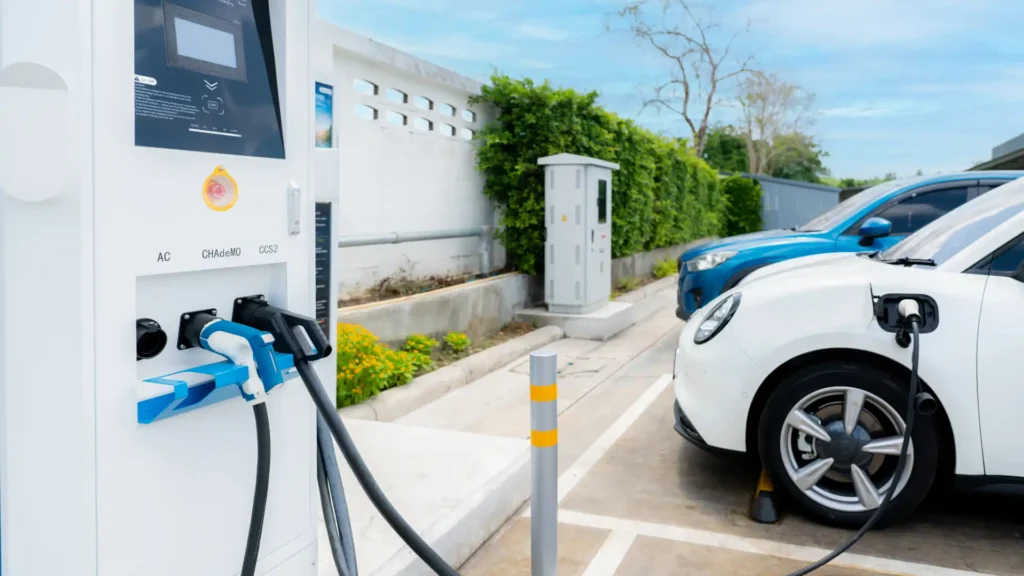
Before you choose an installation path, it’s worth knowing what kind of charger fits your needs.
Plugs into a regular wall outlet. No special installation, but very slow — think 6–8 km of range per hour of charging. Works for short daily commutes or plug-in hybrids, but not practical for most full EV owners.
Uses a dedicated 240-volt circuit, similar to an electric dryer or stove. This is the sweet spot for most Ottawa residents — typically adds 35–45 km of range per hour, allowing you to recharge overnight. Requires a new circuit from your panel and a wall-mounted charger.
Found in public charging stations and along highways. Can recharge to 80% in 30 minutes, but requires industrial-grade power — not suitable for home installation.
For most homes and condos, Level 2 installation is the goal. It’s fast enough for daily needs and integrates with existing electrical service (with upgrades if needed).
Don’t let installation costs surprise you. Get a detailed, no-obligation quote from Ottawa’s trusted EV charger specialists. We handle permits, inspections, and everything in between.


| Factor | Single-Family House | Condo (Multi-Unit Building) |
|---|---|---|
| Typical Installation Cost (Level 2) | $1,500 – $3,000 if panel is adequate; $4,000–$6,000 with upgrades | $5,000 – $10,000 per charger, lower if multiple owners share infrastructure |
| Installation Timeline | 1–2 days of work + a few days for permits; typically complete within 1–2 weeks | 10–16 weeks from request to activation, factoring board approval and scheduling |
| Approval Process | Only ESA electrical permit required; homeowner decides charger location | Requires condo board approval and legal agreement under Ontario’s Right to Charge rules |
| Charger Accessibility | Exclusive use; 24/7 access; billed directly on home’s hydro bill | At personal stall (with sub-meter or smart charger) or via shared garage stations |
If your home’s panel is maxed out, see our Electrical Panel Upgrade Ottawa service.
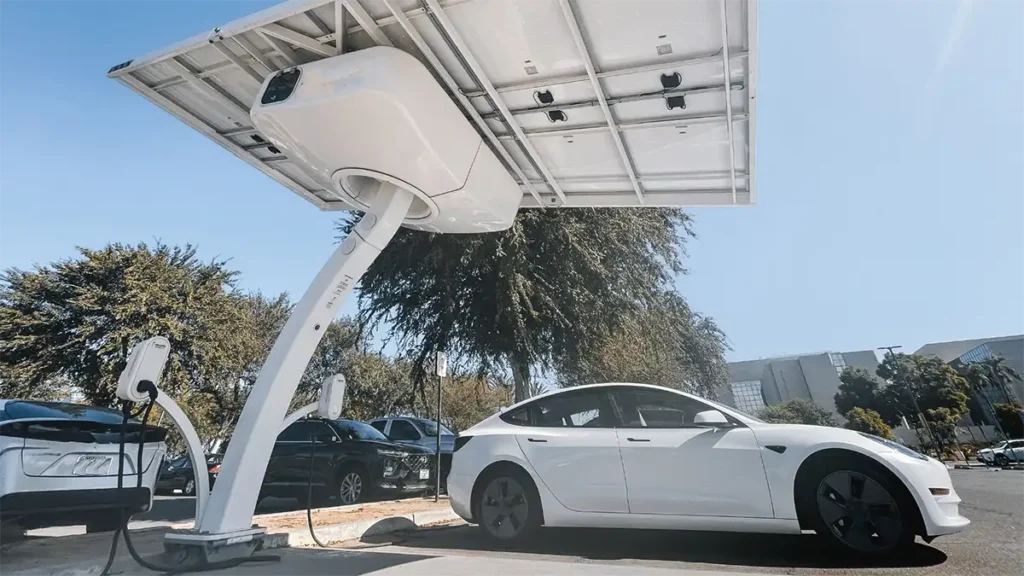
Ontario’s “Right to Charge” law — Ontario Regulation 48/01 — ensures condo boards must approve reasonable EV charger requests unless they pose legal, structural, or safety concerns. The board has 60 days to respond to a request and must enter into a written agreement outlining:
City of Ottawa regulations now require all new residential builds, including condos, to be EV-ready — with wiring or conduit in place for every parking space (City EV info). This future-proofs new buildings and makes retrofits unnecessary for first owners.
ESA permits and inspections are required for all EV charger work. Your electrician must file a notification of work before starting and obtain a Certificate of Acceptance after completion.
Don’t let installation costs surprise you. Get a detailed, no-obligation quote from Ottawa’s trusted EV charger specialists. We handle permits, inspections, and everything in between.
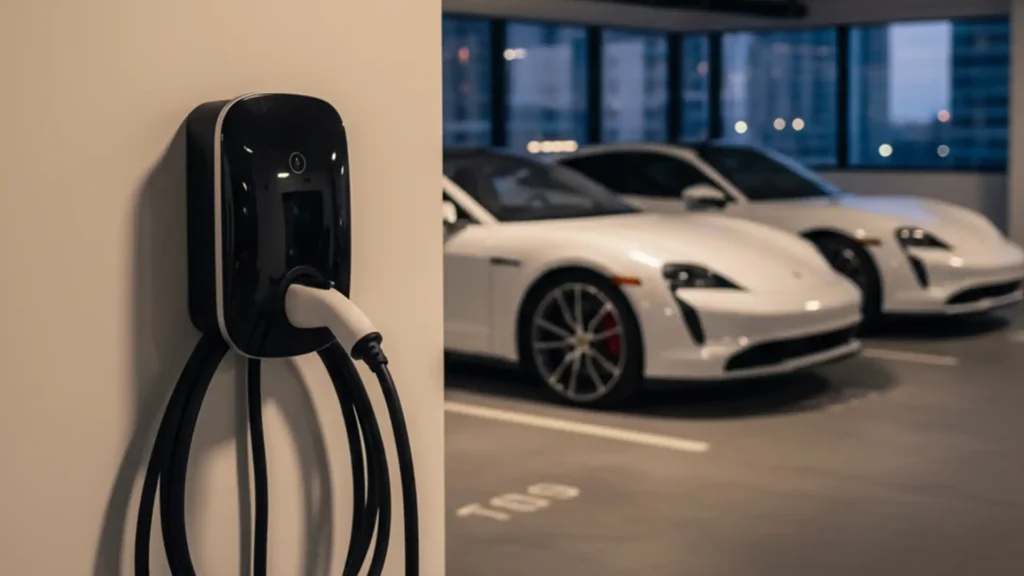
Hydro Ottawa offers guidance for multi-unit charging projects, including capacity planning and load sharing.

Whether you live in a high-rise condo with underground parking or a detached home with a private driveway, installing an EV charger in Ottawa is both a practical upgrade and a long-term investment.
For condo owners, the process requires patience and coordination with your condo board, but Ontario’s “Right to Charge” rules and Ottawa’s growing EV infrastructure make it more achievable than ever. For house owners, the path is faster and often less expensive, with greater flexibility over location and equipment choices.
In both cases, working with a licensed Ottawa electrician ensures your installation meets safety standards, complies with the Ontario Electrical Safety Code, and provides reliable charging for years to come.
Home charging isn’t just about convenience — it’s about future-proofing your property, lowering your fueling costs, and supporting Ottawa’s transition to cleaner transportation. The sooner you start, the sooner you can enjoy the peace of mind that comes with plugging in at home.
Yes. Even if it’s deeded, it’s still a common element. Apply under Ontario’s Right to Charge rules and provide detailed installation plans.
Yes, many older Ottawa condos can upgrade existing 120V outlets to 240V with minimal work.
10–16 weeks, including approval and installation. Houses can often be completed in 1–2 weeks.
Not always. Many 100A homes can use load-management devices to safely add a Level 2 charger.
Yes — via dual-port chargers or load-sharing systems, ideal for multi-EV households.
Hey! I’m Matt Fortin, Founder & Master Electrician of Ottawa Electric. I have 20+ years of electrical industry experience across residential, commercial, and heavy industrial work. I lead our team with a focus on safety, quality workmanship, and clear communication.
Not all electricians are EV-certified. Work with professionals who understand Canadian electrical codes and optimize your installation for maximum efficiency and safety.
Same-Day Quote
