
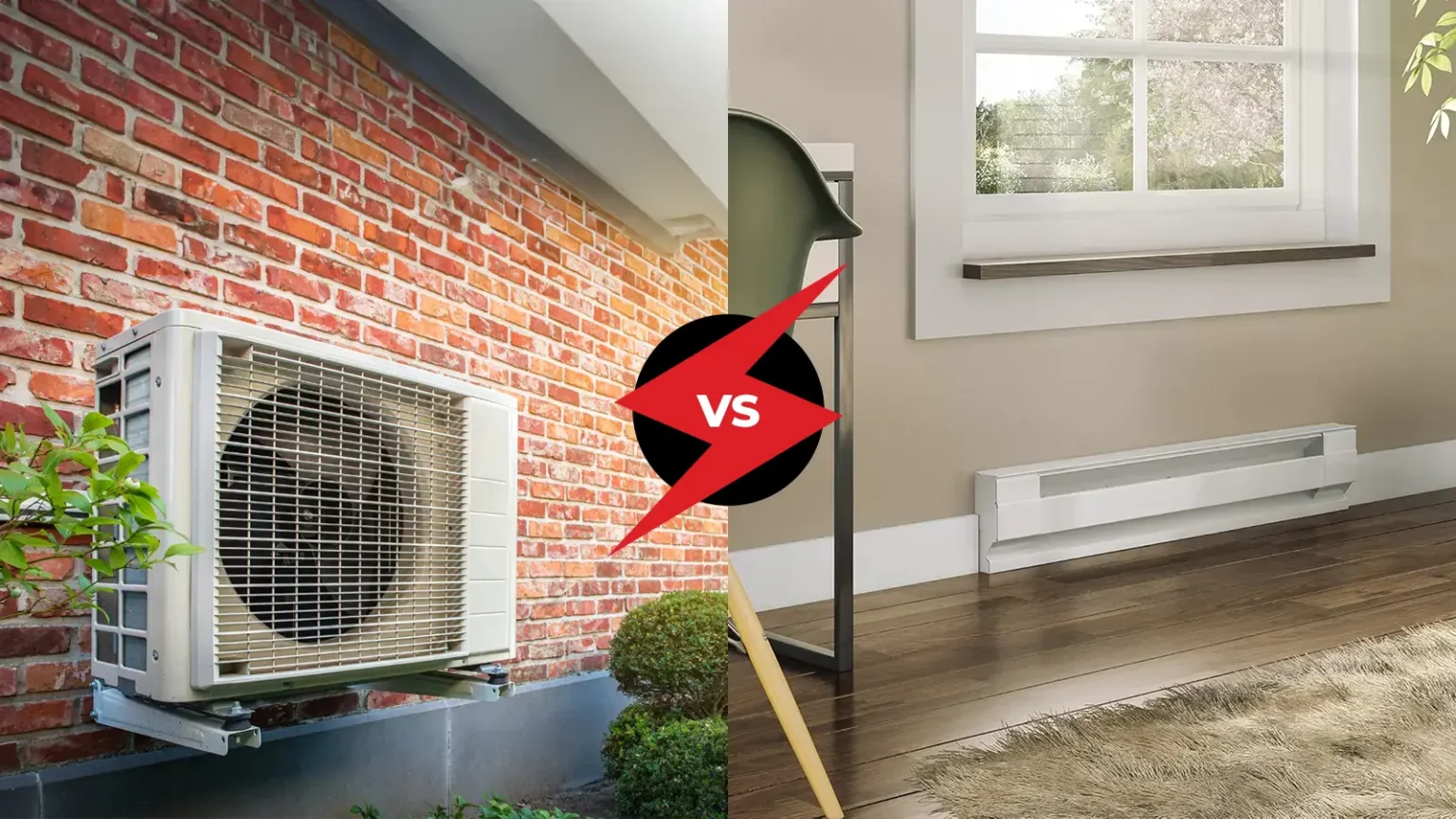
Heat Pump vs Electric Baseboard in Ottawa
Your 5-Year Bill Showdown

Heat Pump Electric Baseboard in Ottawa

When we live through an Ottawa winter, our heating system is not just a line on a bill. It decides whether we stress every time Hydro Ottawa emails a statement, or just shrug and get on with our day.

Right now, many homes still rely on electric baseboard heaters. Others are switching to cold-climate heat pumps. The big question is simple:

Over five years, which one costs more money in a typical Ottawa home?

In this guide, we walk through that showdown step by step, using real rate numbers, simple math, and a clear breakdown you can copy to your own bill.

Heat Pump or Electric Baseboard in Ottawa

Why this showdown matters in Ottawa right now

Across Canada, heating is changing fast. A recent Statistics Canada article on home heating found that about 23% of households use electric baseboard heaters as their main system, while around 8% use heat pumps, plus another 1% using mini-split heat pumps.

At the same time, Canada’s Energy Future analysis shows heat pumps playing a growing role in cutting building emissions while also lowering energy use compared with traditional systems.

Here in Ottawa, this hits our wallets because of how electricity is priced. Under Hydro Ottawa’s Ultra-Low Overnight plan, winter rates currently range from 3.9¢ per kWh overnight to 39.1¢ per kWh during the weekday evening peak, with mid-range prices in between.

When every kWh is that visible, how we use those kilowatt-hours becomes a big decision, not a detail. A system that needs half as many kWh to keep the house warm will win this showdown almost every time.

Meet the two systems: baseboards and heat pumps

Before we compare bills, we should speak the same language about how each system works.

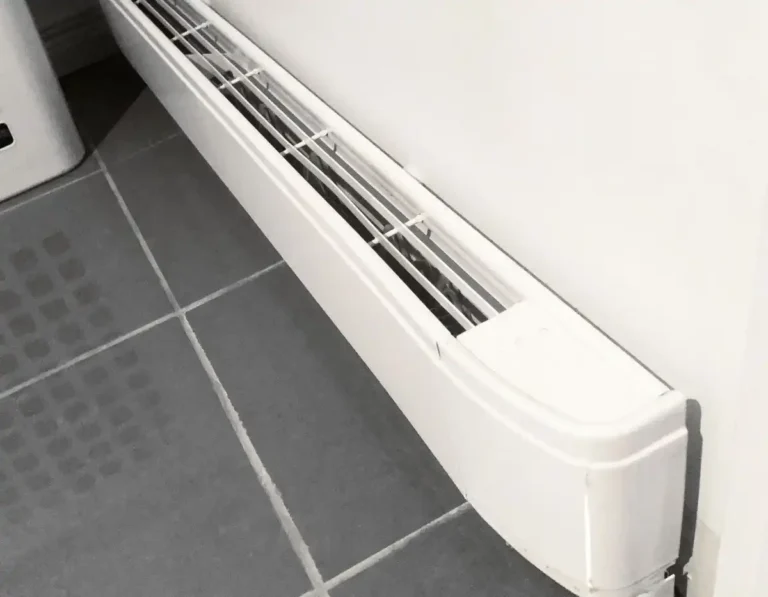
Electric Baseboard Heaters

Hydronic Style Electric Baseboards

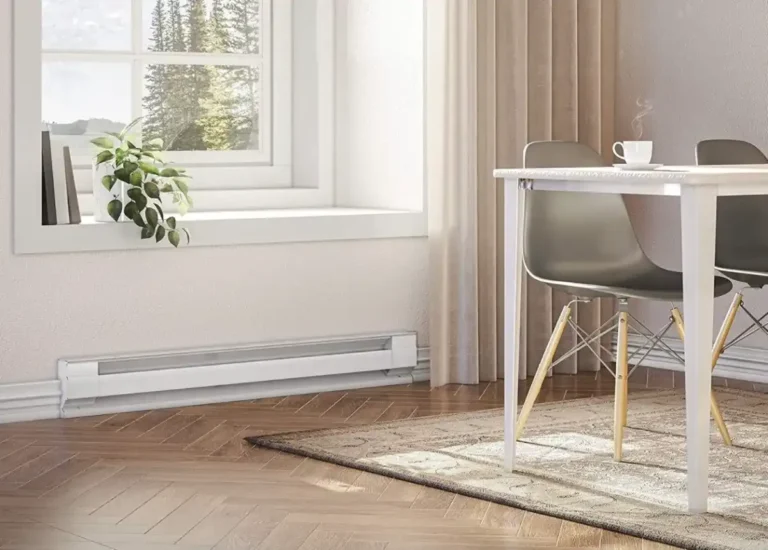
Electric baseboard heaters are simple. Power flows into a metal element, the element gets hot, and warm air rises along the wall. There are almost no moving parts and almost no maintenance. From an energy point of view, though, baseboards have a coefficient of performance (COP) of about 1. One unit of electricity in gives one unit of heat out.
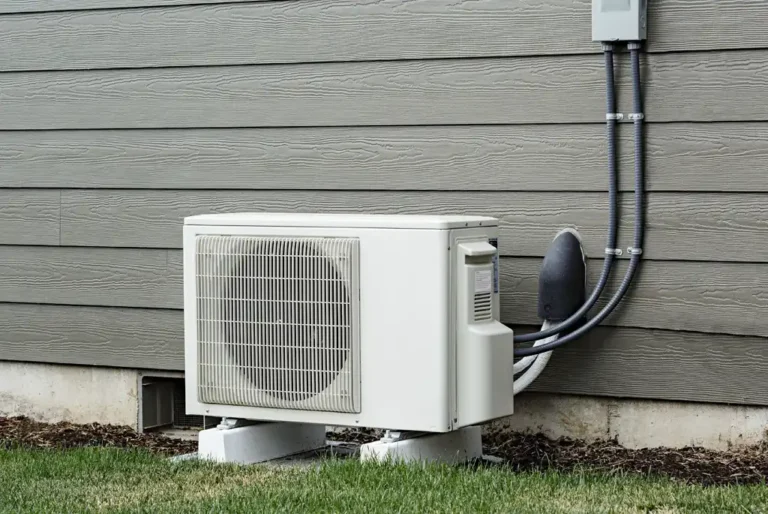
Cold-Climate Heat Pumps

ductless heat pump

A cold-climate heat pump works differently. It uses a refrigerant loop to move heat from the outdoor air into your home, even when the air outside feels very cold to us. Because it is moving heat rather than making it from scratch, a good cold-climate heat pump often delivers two to three units of heat for every unit of electricity in mild winter weather, and roughly one and a half to two units in colder conditions.

Hydro One explains this clearly in its home heating information: modern heat pumps can be up to three times more efficient than electric resistance heat, including baseboard heaters.

That one idea sets up the whole showdown. If baseboards sit at COP 1, and a heat pump averages somewhere between 1.8 and 2.5 across a winter, the heat pump uses far fewer kilowatt-hours to do the same job.

For Ottawa clients who still plan to keep some baseboards, we also offer electric baseboard heater installation and upgrades, so this is not an all-or-nothing story.

Not Sure Which Heating System Fits Your Ottawa Home?

We’ll assess your system and recommend the most efficient heating option.

Same-Day Quote

Matt Fortin certified electrician ottawa Ontario

How much energy do they use in a year?

To make a clean five-year comparison, we will set up a simple example home and walk the math in plain English.

We will assume:

  • A 1,600 square foot Ottawa home with yearly space heating needs of about 18,000 kWh of heat.
  • A blended electricity cost of about 12 cents per kWh across off-peak, mid-peak, and on-peak hours under Hydro Ottawa’s rate options.

That blended price will not match every bill exactly, but it is a fair middle number for a house that uses a mix of overnight and daytime power.

Now we can look at three cases:

Case 1: Electric baseboard heaters

Electric baseboard heat

With a COP of about 1, all 18,000 kWh of heat must come straight from electricity.

Annual electricity use for heating: 18,000 kWh
Annual heating cost: 18,000 × $0.12 = 2,160 dollars
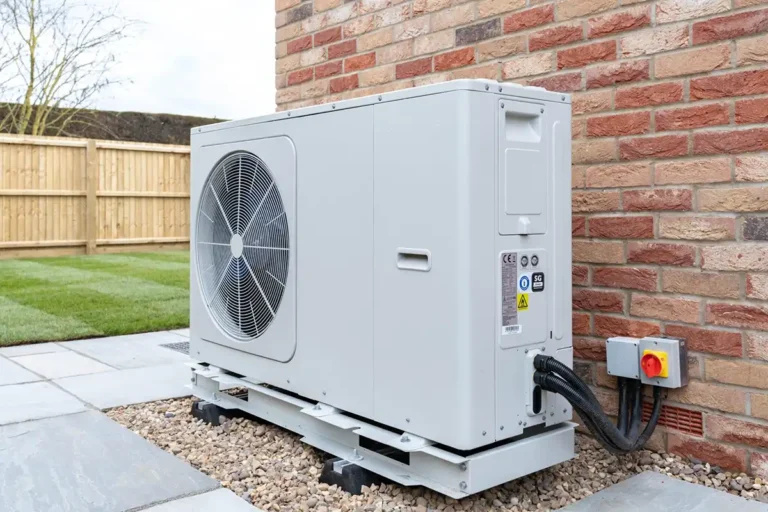
Case 2: Heat pump with strong performance

Heat pump with strong performance

Here we use an average COP of 2.5 across the heating season, which is realistic for a well-chosen cold-climate system in a decent envelope.

Annual electricity use for heating: 18,000 ÷ 2.5 = 7,200 kWh
Annual heating cost: 7,200 × $0.12 = 864 dollars
Case 3: Heat pump in a tougher scenario

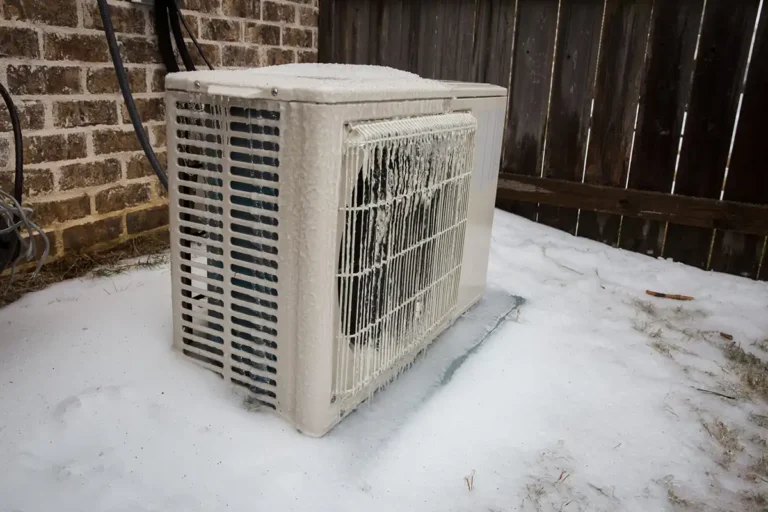
Heat pump in a tougher scenario

To stay conservative and match homes with more leaks, older windows, or colder indoor setpoints, we also model an average COP of 1.8.

Annual electricity use for heating: 18,000 ÷ 1.8 ≈ 10,000 kWh
Annual heating cost: 10,000 × $0.12 = 1,200 dollars
These two heat pump cases line up well with national work from the Canadian Climate Institute, which finds that switching from electric resistance heating to heat pumps can cut energy use for heating by more than half in provinces that rely heavily on baseboards.

Annual cost comparison table

System scenarioApprox COPAnnual kWh usedAnnual heating cost
Electric baseboard heaters1.018,0002,160 dollars
Heat pump, strong performance2.57,200864 dollars
Heat pump, tougher performance1.810,0001,200 dollars

You can already see the gap. Even in the lower performance case, the heat pump saves about 960 dollars per year. In the stronger case, it saves about 1,296 dollars per year.

The five-year showdown: baseboards vs heat pump

Most of us do not upgrade just for one winter. We think in bigger blocks of time. A five-year window is long enough for savings to stack up, but short enough to feel real.

Using the same three scenarios from above and holding rates steady for now, we get this:

Five-year total heating cost

System scenarioAnnual heating costFive-year total cost
Electric baseboard heaters2,160 dollars10,800 dollars
Heat pump, strong performance864 dollars4,320 dollars
Heat pump, tougher performance1,200 dollars6,000 dollars

Five-year savings compared with baseboards:

  • Strong heat pump case: 10,800 − 4,320 = 6,480 dollars
  • Tougher heat pump case: 10,800 − 6,000 = 4,800 dollars


This matches the main conclusion of the Canadian Climate Institute’s “Heat Pumps Pay Off” work, which shows that in most Canadian regions, heat pumps are the lowest cost option over their lifetime when you add up purchase, install, and energy costs.

In our own Ottawa projects, homes that rely on electric baseboard heaters often see simple payback on the extra investment in a heat pump in roughly three to seven years, depending on the exact house, usage pattern, and incentive support. After that, the savings keep coming every month the system runs.

What if rates rise or winters get harsher?

We all know electricity prices do not stay fixed forever. The Ontario Energy Board can adjust Regulated Price Plan rates each year, and the spread between overnight and peak pricing can change as the grid evolves.

If rates rise across the board, both baseboards and heat pumps will cost more per unit of electricity. The key point is that the percentage gap between them stays roughly the same, because that gap comes from the COP number, not the price per kWh.

When the price per kWh goes up:

  • The absolute savings from using a more efficient system grow.
  • The payback time on a heat pump often shrinks, because each saved kilowatt-hour is worth more money.


Winter severity has a similar effect but through a different door. Very cold snaps will pull the average seasonal COP downward. A well-designed cold-climate heat pump will still normally sit above 1.0 on average, while baseboards remain exactly at 1.0. That means the heat pump keeps its edge even in harsh years, although the strong scenario may slide closer to the tougher one.

For many Ottawa homeowners, we also set up a hybrid approach, where the heat pump runs as the main system and a few baseboard heaters are left as backup for special rooms or extreme nights. This keeps comfort high while still capturing most of the savings.

Not Sure Which Heating System Fits Your Ottawa Home?

We’ll assess your system and recommend the most efficient heating option.

Same-Day Quote

Matt Fortin certified electrician ottawa Ontario

Comfort, cooling, and resale value

Bills matter, but life inside the home matters too. Over five years, comfort can be just as important as cost.

Baseboard heater house

Baseboard heaters give gentle, quiet heat along the wall. In smaller rooms, that can feel pleasant. In larger rooms and older homes, they often create uneven zones. The corner by the window can feel cool while the wall above the heater feels too warm. There is also no built-in cooling, so most baseboard homes add window units or portable air conditioners for summer.
Heat pump in living

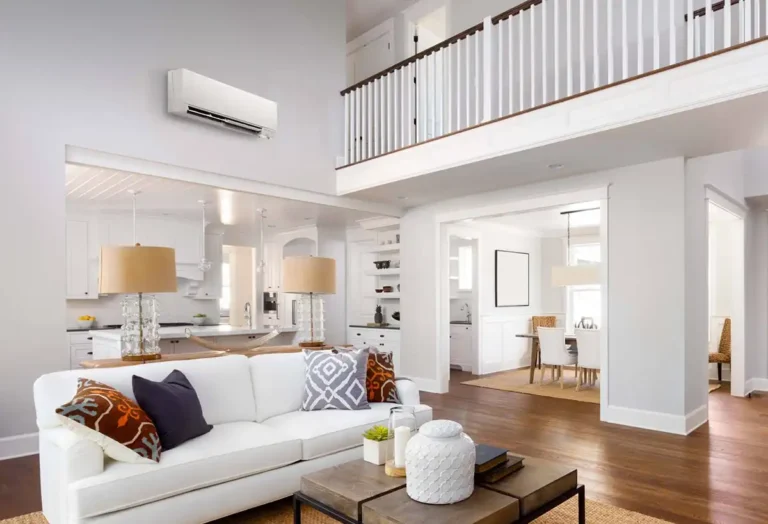
A heat pump spreads heat more evenly by moving air around the room. It adds cooling for hot months from day one, without another set of units to plug in. Filtration inside the indoor heads can catch dust when filters are cleaned on schedule. Many Canadian households in surveys report that heat pumps leave them satisfied or very satisfied with comfort across seasons.

On the resale side, more buyers are starting to notice the type of heating system in listings. A baseboard-only home can raise worries about energy costs. A home with a modern cold-climate heat pump plus updated electrical work looks more future ready. When we pair heat pump installs with projects like electrical panel upgrades, the result is a listing that feels clean, modern, and easier for buyers to understand.

Which path fits your home?

Not every house in Ottawa needs the same playbook. When we walk through options with clients, we usually see three main paths.

One path is a full switch from baseboards to a heat pump as the main heating system. This suits homes where electric baseboard heaters carry most of the load, winter bills feel heavy, and the owner expects to stay at least five to ten years. We review Hydro Ottawa usage, check panel capacity, and design a system sized for the home’s real needs.

A second path is hybrid. In this case, we install a heat pump to cover most of the home and keep some baseboard heaters as backup in spare rooms or trickier zones. Thermostats on those baseboards are usually set a little lower so they only kick in when needed. This still captures most of the savings while easing any worry about edge cases.

A third path is to wait on a heat pump and get more from existing baseboards for now. We can inspect the current units, replace tired or unsafe ones, suggest smarter line-voltage thermostats, and help you think through which Hydro Ottawa rate plan fits your schedule best. These steps do not change the COP, but they can trim waste and keep the system safer while you plan for a full upgrade.

If you are not sure which path fits you, sending us a bill and a few photos of your panel gives us enough to start drawing a rough map. A short note through the contact form is usually all we need to begin.

Try It Yourself: A Simple Interactive Heating Cost Calculator

Compare your 5-year heating cost

Adjust the assumptions below to compare electric baseboards with a heat pump.

Heat pump performance

Estimated 5-year savings

$0

Electric baseboards $0 $0
Heat pump $0 $0

Operating-cost estimate only. It excludes equipment purchase, installation, maintenance, backup heat, rate changes, and home-specific performance.

Conclusion

When we pull everything together, the five-year battle between a heat pump and electric baseboard heaters in Ottawa sends a clear message.

Baseboard heaters are simple, safe, and familiar, but they turn every kilowatt-hour of electricity into exactly one unit of heat. A good cold-climate heat pump turns that same kilowatt-hour into roughly two units of heat in real winter conditions and sometimes more in shoulder seasons.

With today’s Hydro Ottawa rates, that efficiency difference adds up to thousands of dollars over five years for a typical home, even when we use conservative numbers. National research backs that up, showing that heat pumps tend to be the lowest cost option over their full life in most parts of Canada, especially for homes that start from electric resistance heating.

If your home still leans on electric baseboard heaters, you do not have to guess which upgrade path makes sense. We can read your bill, look at your wiring, and design a plan that fits your budget and timeline, whether that means a full heat pump install now, a hybrid setup, or a short list of baseboard improvements while you get ready for a bigger step.

When you are ready to see your own five-year showdown on paper, you can schedule a service call or reach out through our free estimate form. From there, we can turn your winter bill into a clear plan instead of a yearly surprise.

FAQs

Yes. Cold-climate models listed to NEEP/NRCan guidance are designed to operate to around -30°C with documented COP at -15°C. Performance and capacity drop with temperature, but they remain more efficient than resistance heat when properly sized and installed. Proper system selection and installation quality are essential.

At 2025 OEB rates, baseboards pay the full electricity price (12–20¢/kWh depending on your plan) for each unit of heat. Heat pumps divide that price by their COP, typically lowering your cost per kWh of delivered heat by about 35–70% depending on outdoor temperature and rate timing (TOU/ULO). The ULO overnight rate (3.9¢/kWh) makes heat pumps exceptionally economical with smart scheduling.

Possibly. Heat pumps and multiple baseboards both add significant load to your electrical system. Many older Ottawa homes with 60–100 amp service need panel upgrades to safely support modern heating systems. Ottawa Electric can assess your panel capacity and perform upgrades when needed, especially important if you’re also planning future additions like EV chargers.

Baseboards typically cost $500–$1,100 per room installed. Cold-climate heat pumps in Ottawa range from $3,500–$12,000 for ductless systems or $6,000–$16,000 for central systems, depending on zones, brand, and project scope. However, heat pumps include cooling capability and significantly lower operating costs that can offset the higher upfront investment within 5–10 years.

Absolutely. This is a common and practical strategy in Ottawa. Many homeowners install a heat pump to handle most of the heating season (when it’s most efficient) and rely on existing baseboard heaters during extreme cold snaps below -20°C. This approach maximizes efficiency without the risk of discomfort during deep freezes.

At minimum: one per storey (basement included) and one outside sleeping areas—usually the upstairs hallway. Newer homes (2014+) also require alarms inside each bedroom. Adding bedroom coverage is recommended even in older homes.

Yes—if you have fuel-burning appliances or an attached garage. A combo smoke/CO unit in hallways near bedrooms is common and simplifies compliance.

Most units are 10-year devices. Check the manufacture date on the label and replace on schedule; log replacements for inspection readiness.

Share on Social Media:

Hey! I’m Matt Fortin, Founder & Master Electrician of Ottawa Electric. I have 20+ years of electrical industry experience across residential, commercial, and heavy industrial work. I lead our team with a focus on safety, quality workmanship, and clear communication.

Table of Contents

Picture of Matt Fortin
Matt Fortin

Same-day Quote

Not Sure Which Heating System Fits Your Ottawa Home?

Ready to plan your upgrade?

Tell us about your home, panel, and comfort goals. We’ll recommend the most efficient path—baseboard where it makes sense, or a cold-climate heat pump where it saves more.

Same-Day Quote