Upgrading Your Home’s Electrical
A Guide for Ottawa Homeowners
- 32 min read
- Published on:
- Updated on: July 14, 2026
- 32 min read
- Published on:
- Updated on: July 14, 2026


Your home may look much the same as it did 15 years ago. Inside, however, its power needs may be very different.
You may have added larger televisions, computers, air conditioning, heated floors, kitchen appliances, workshop tools, or smart-home devices. You may now be planning an electric vehicle charger, heat pump, hot tub, sauna, basement apartment, or home addition.
Each new item asks more from your electrical system.
That does not always mean you need a new panel. It also does not mean every 100-amp home is unsafe. A proper home electrical upgrade starts with understanding what you have, what you plan to add, and whether your current system can safely handle it.
In this guide, we explain electrical panels, service sizes, upgrade costs, ESA requirements, Hydro Ottawa coordination, and the questions homeowners should ask before electrical work begins.
TL;DR: What Ottawa Homeowners Need to Know
-
A home electrical upgrade may involve replacing a panel, increasing the service size, adding a subpanel, installing dedicated circuits, or updating old wiring.
-
Book an assessment if breakers trip often, lights dim, the panel is damaged or full, or you plan to add a major electrical load.
-
A panel replacement and an electrical service upgrade are not the same. A load calculation helps determine which solution your home needs.
-
Electrical panel upgrades in Ottawa may require an ESA notification, inspection, and coordination with Hydro Ottawa.
-
Plan for your next five years of electrical needs so you do not have to repeat major work later.

What Does a Home Electrical Upgrade Actually Include?
The term “electrical upgrade” can mean several different things. This is one of the biggest sources of confusion for homeowners.
Someone may ask for a panel upgrade when they only need a new circuit. Another homeowner may think they are getting a larger electrical service when the estimate only covers replacing the panel box.
The right solution depends on the problem.
| Type of upgrade | What changes | Why it may be needed |
|---|---|---|
| Panel replacement | The breaker or fuse panel inside the home | The panel is damaged, outdated, crowded, or no longer serviceable |
| Electrical service upgrade | The home’s total available power, often including the meter base, service conductors, panel, and utility connection | The current service cannot support the home’s calculated electrical load |
| Subpanel installation | A second distribution panel connected to the main panel | More breaker spaces are needed in another part of the home |
| Dedicated circuit | A new circuit that serves one appliance or system | An EV charger, hot tub, heat pump, range, dryer, or workshop tool needs its own circuit |
| Wiring upgrade | Some or all wiring, outlets, grounding, bonding, or safety devices | The wiring is damaged, outdated, ungrounded, or unsuitable for the planned work |
| Surge protection | A protective device installed at or near the panel | The homeowner wants wider protection for electronics and appliances |
A subpanel does not create more total power. It creates more circuit spaces. If your home has a 100-amp service, adding a subpanel does not turn it into a 200-amp service.
A panel can also be replaced without increasing the service size. For example, a damaged 100-amp panel may be replaced with another properly sized panel while the home remains on a 100-amp service.
Signs Your Ottawa Home May Need an Electrical Assessment
One warning sign does not automatically prove that you need a complete electrical panel upgrade. It does mean the system should be checked before the problem becomes worse.
-
Repeated breaker trips: A breaker trips again after loads or appliances are turned on.
-
Dimming or flickering lights: Lights change when a microwave, dryer, air conditioner, or other large load starts.
-
No open breaker spaces: The panel is full, crowded, or poorly labelled.
-
Heat or unusual smells: You notice warmth, discolouration, buzzing, crackling, or a burning smell near the panel.
-
Partial power loss: Several rooms or one side of the home lose power at the same time.
-
New high-demand equipment: You plan to add an EV charger, heat pump, hot tub, sauna, electric range, or home addition.
-
Permanent extension cords: Power bars and extension cords are being used as long-term substitutes for outlets or circuits.
-
Warm outlets: Receptacles or switches feel warm or show visible marks.
Frequent tripping may come from an overloaded circuit, a faulty appliance, damaged wiring, a weak breaker, or another issue. Replacing the whole panel before finding the cause can lead to unnecessary work.
Some breakers also need to be moved fully to the OFF position before they will reset. If a breaker trips again after one proper reset, do not keep switching it back on.
Panel Upgrade, Service Upgrade, or Rewiring?
A good electrical assessment answers three separate questions. Keeping these questions separate helps prevent paying for work that does not solve the real problem.
Is the existing equipment safe?
The electrician checks the panel, breakers, visible wiring, grounding, bonding, connections, corrosion, moisture, signs of heat, and any changes made over the years.
A panel may have enough capacity but still need replacement because it is damaged, unreliable, or difficult to service.
Is there enough space for new circuits?
A panel can have enough total amperage but no room for another breaker. Depending on the system, the answer might be a larger panel, an approved breaker configuration, or a subpanel.
Is there enough total electrical capacity?
This is where a load calculation matters. The calculation considers the home, heating, cooling, major appliances, vehicle charging, and other electrical loads.
The label on the panel is only one part of the answer.
| Assessment finding | Possible solution |
|---|---|
| The panel is damaged but capacity is adequate | Replace the panel without increasing the service size |
| The panel is safe but has no open breaker spaces | Add a suitable subpanel or replace the panel |
| One new appliance needs power | Add a dedicated circuit if the service can support it |
| The calculated electrical load is too high | Upgrade the electrical service |
| Wiring has safety, condition, or insurance concerns | Repair or replace the affected wiring |
| Several major upgrades are planned | Create a phased electrical plan |
A panel replacement is not always the same as a service upgrade. We assess the panel, wiring, service size, and future loads before recommending the work.
Same-Day Quote

Is 100 Amps Enough or Do You Need 200 Amps?
There is no rule that every Ottawa home must have a 200-amp service.
A well-maintained 100-amp service may still be suitable for a modest home with gas heating, gas hot water, and no major new electrical loads. On the other hand, a larger all-electric home may need more capacity.
The answer should come from the home’s calculated electrical load, not from guesswork.
| Service size | Where it may fit | What to consider |
|---|---|---|
| 60 amps | Found in some older homes | Usually offers limited capacity for modern loads and should be professionally assessed |
| 100 amps | Can serve many smaller or partly gas-powered homes | May become limiting when several large electrical systems are added |
| 125–150 amps | Available in some homes and upgrade designs | May provide a middle option, depending on the equipment and utility requirements |
| 200 amps | Common for homes with several major electrical loads | Often provides more space for electrification and future circuits |
| 300–400 amps | Larger homes or properties with very high demand | Requires a detailed design and utility coordination |
A 200-amp panel is not an energy-saving device. It does not lower electricity use by itself. It gives the electrical system the ability to safely distribute a larger approved load.
It is also important to confirm both the panel rating and service rating. A panel marked “200A” does not always prove that the utility service, meter base, and conductors are all rated for 200 amps.
Learn more about how we assess and complete an electrical panel upgrade in Ottawa .
Which Home Improvements Can Trigger an Electrical Upgrade?
Many homeowners begin thinking about their panel only after buying new equipment. It is better to check capacity before the equipment arrives.
Not every project forces a complete service upgrade. A dedicated circuit may be enough. In other cases, an approved energy-management system may control when a high-demand load operates.
| Planned improvement | What should be reviewed |
|---|---|
| Level 2 EV charger | Charger amperage, panel space, service capacity, cable route, and possible load management |
| Heat pump | Outdoor unit, backup heat, existing heating fuel, and total winter electrical demand |
| Hot tub, pool, or sauna | Dedicated circuit, GFCI protection, grounding, panel space, and route to the equipment |
| Electric range or wall oven | Appliance specifications, circuit size, panel capacity, and existing kitchen wiring |
| Basement apartment | Heating, kitchen equipment, laundry, smoke alarms, circuits, and overall service capacity |
| Home addition | New lighting, receptacles, heating, cooling, appliances, and future circuits |
| Workshop equipment | Motor loads, voltage, dedicated circuits, panel space, and simultaneous use |
| Solar, battery, or generator equipment | Interconnection equipment, transfer devices, panel configuration, and utility requirements |
Plan for the next five years
Suppose you install an EV charger this year. Two years later, you replace a gas furnace with a heat pump. After that, you renovate the basement and add an electric range.
Planning each project by itself may result in repeated electrical work.
Before choosing a panel size, tell the electrician about anything you expect to add within the next five years. You can also review the typical capacity checks involved in an Ottawa EV charger installation .
Check Your Home’s Electrical Upgrade Readiness
This quick tool can help you understand whether an electrical assessment should be a lower, medium, or high planning priority.
Answer three quick questions about your electrical service, future plans, and current warning signs.
👆 Choose one option in each group to see your planning priority.
Do not remove the panel cover or touch internal components. If there is active smoke, fire, or sparking, contact 911 and Hydro Ottawa or the appropriate utility provider.
Educational planning tool only. It does not perform a code-compliant load calculation or replace an on-site electrical inspection.
How an Electrical Panel or Service Upgrade Works in Ottawa
The exact process depends on whether the project affects only the panel or the full electrical service.
A typical Ottawa electrical upgrade follows these stages.
-
Electrical assessment The electrician reviews the panel, service size, wiring, grounding, available circuit spaces, and planned loads.
-
Load calculation and scope The home’s present and future demand is calculated to determine whether the project needs a circuit, subpanel, panel replacement, load-management system, or service upgrade.
-
Written estimate The estimate should explain the panel work, service equipment, utility work, materials, permits, and exclusions.
-
ESA notification Most significant electrical work in Ontario must be reported to the Electrical Safety Authority. Review the ESA notification and inspection process .
-
Hydro Ottawa coordination A service upgrade may require a planned disconnection, utility review, customer layout, and reconnection. Hydro Ottawa recommends submitting an electrical service request several weeks before the work. Review its electrical service request information .
-
Installation and inspection The old equipment is removed, the new equipment is installed, circuits are identified, and the system is tested.
-
Documentation Keep the final estimate, invoice, equipment information, and ESA Certificate of Acceptance with your home records.
Ottawa electrical upgrade flow
-
Step 01
Identify current problems and future electrical plans
-
Step 02
Complete a home assessment and load calculation
-
Step 03
Choose a circuit, subpanel, panel, or service solution
-
Step 04
File the required ESA notification
-
Step 05
Coordinate with Hydro Ottawa when the electrical service is affected
-
Step 06
Complete installation, testing, and inspection
-
Step 07
Receive project records and the Certificate of Acceptance
We can review the project before equipment is ordered, identify whether Hydro Ottawa coordination is needed, and handle the ESA notification when required.
Same-Day Quote
How Much Does an Electrical Panel Upgrade Cost in Ottawa?
There is no honest single price for every electrical panel upgrade.
A panel-only replacement can be much simpler than a complete electrical service upgrade. The final cost depends on the home, service route, utility involvement, equipment, code corrections, and project access.
For early planning, standard 100-to-200-amp panel work may fall within a broad range of roughly $1,500 to $4,000 CAD. A complete service upgrade can cost more when the project includes a meter base, service mast, new conductors, trenching, utility work, relocation, or major electrical corrections.
| Cost factor | Why it changes the price |
|---|---|
| Panel replacement or complete service upgrade | A service upgrade affects more equipment and usually requires utility coordination |
| Overhead or underground service | Underground work may require trenching or other property work |
| Meter base and service mast | Existing equipment may need replacement to support the upgraded service |
| Panel location | Tight spaces, finished walls, moisture, or clearance problems can add labour |
| Number and type of breakers | Larger panels and specialized breakers change material costs |
| Existing wiring defects | Unsafe or non-compliant conditions may need to be corrected |
| Grounding and bonding | Older systems may require upgrades to meet current requirements |
| Surge protection | Whole-home surge protection adds equipment but may be efficient to install during panel work |
| ESA and utility charges | Fees depend on the project and the required services |
| Panel relocation | Moving a panel may require longer conductors, additional labour, and wall restoration |
What should a useful estimate include?
The estimate should clearly state whether it includes the panel, main breaker, meter base, service conductors, grounding, breakers, surge protection, ESA notification, Hydro Ottawa charges, inspection coordination, labelling, cleanup, and wall repair.
A low estimate may cover a smaller scope. A higher estimate may include work another contractor has left out.
Compare the same scope, not only the final number.
What Owners of Older Ottawa Homes Should Watch For
Older homes often have more than one electrical issue.
A homeowner may begin with a panel question and discover ungrounded outlets, older wiring methods, crowded circuits, poor labels, previous do-it-yourself changes, or water entering near the service equipment.
That does not mean every old home needs to be completely rewired.

Fuse panels
A fuse panel can still function, but it may offer limited circuit space and may not suit planned electrical loads. Homeowners should also make sure the correct fuse sizes are being used.
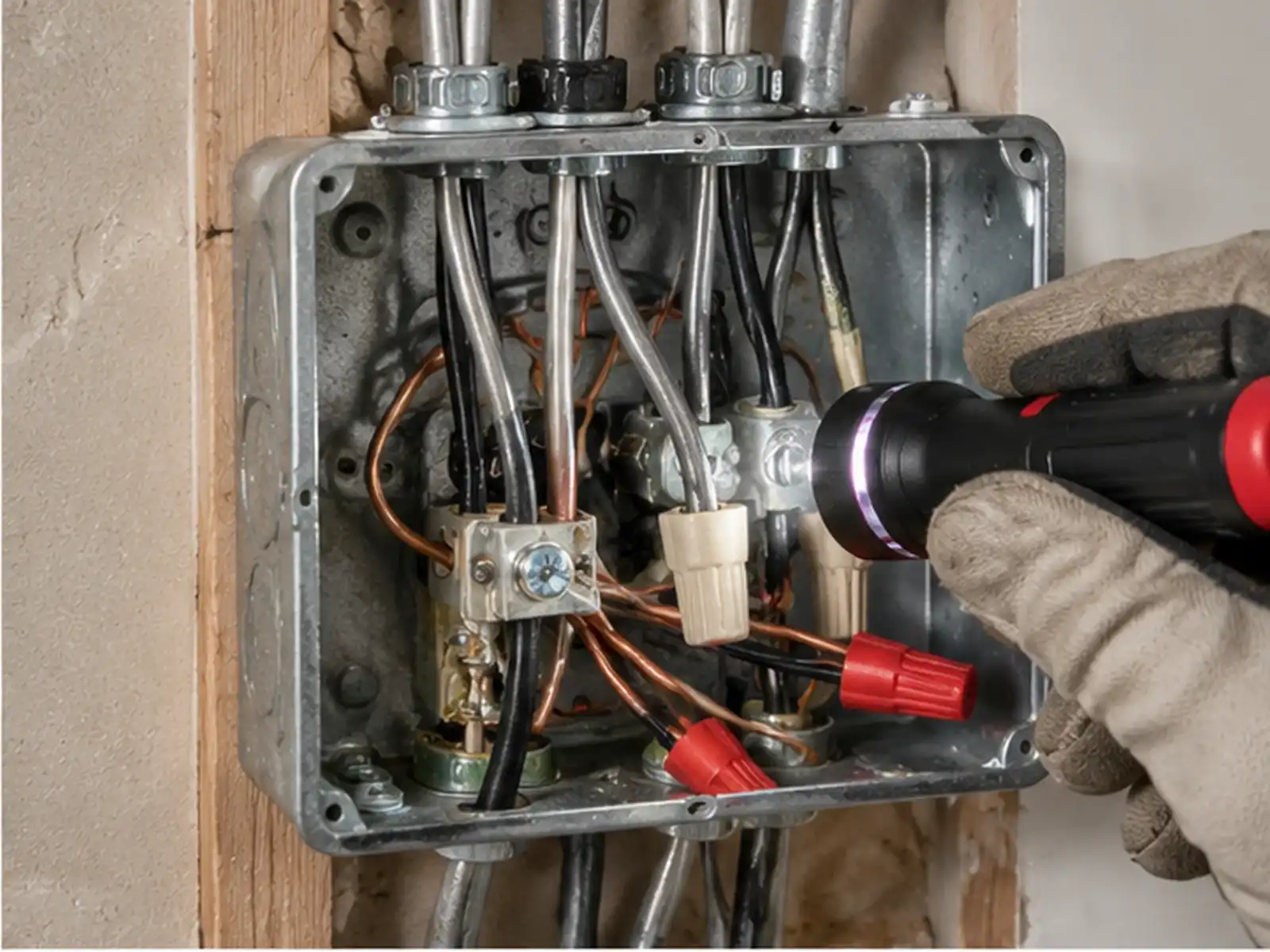
Aluminum wiring
Some Ottawa-area homes contain aluminum branch-circuit wiring. Aluminum wiring does not automatically mean the whole house must be rewired. It does mean the connections and approved repair methods need professional attention.
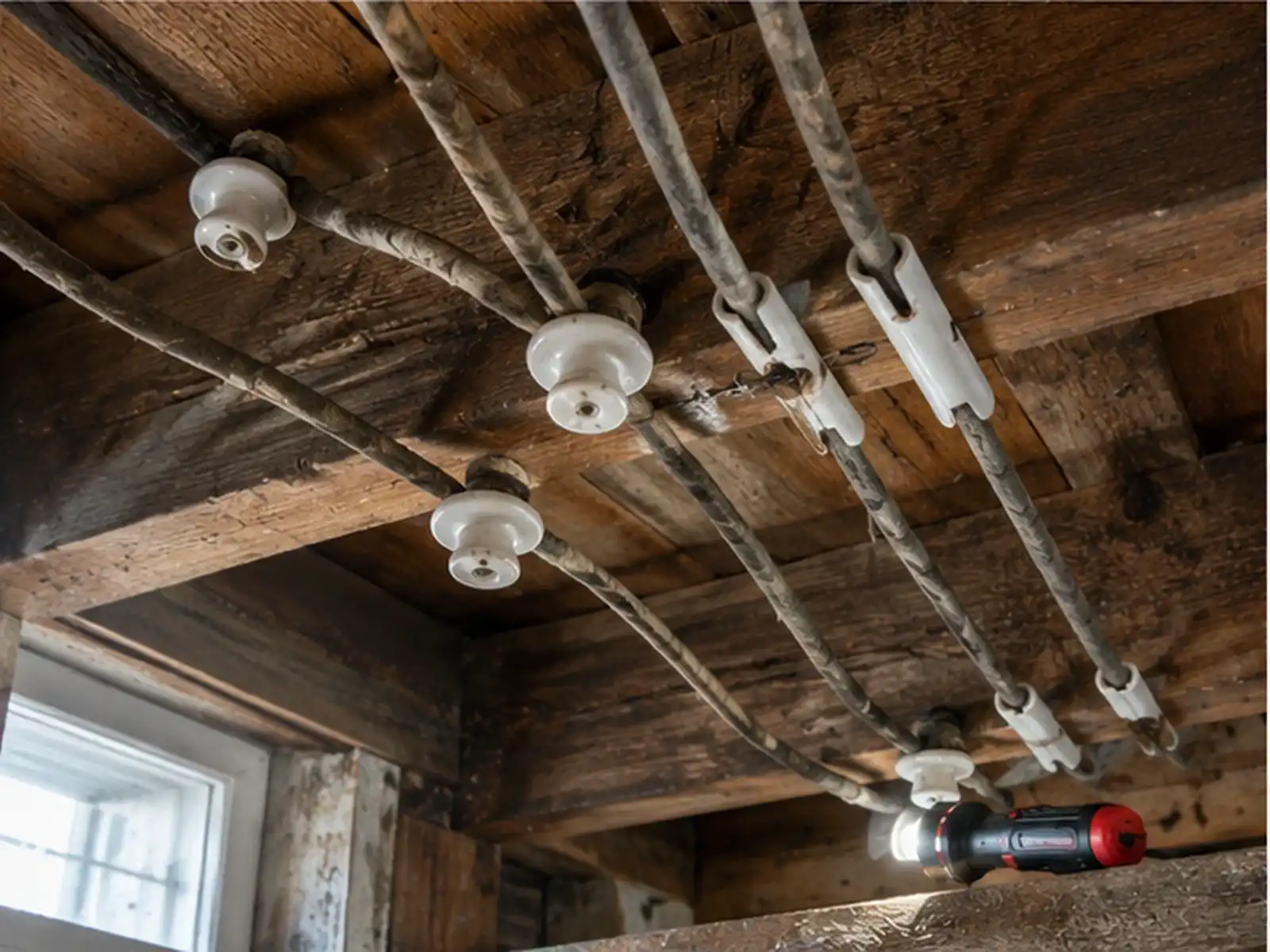
Knob-and-tube wiring
Knob-and-tube wiring is found in some older properties. Renovations, insulation, insurance requirements, and the condition of the wiring may affect the recommended solution.
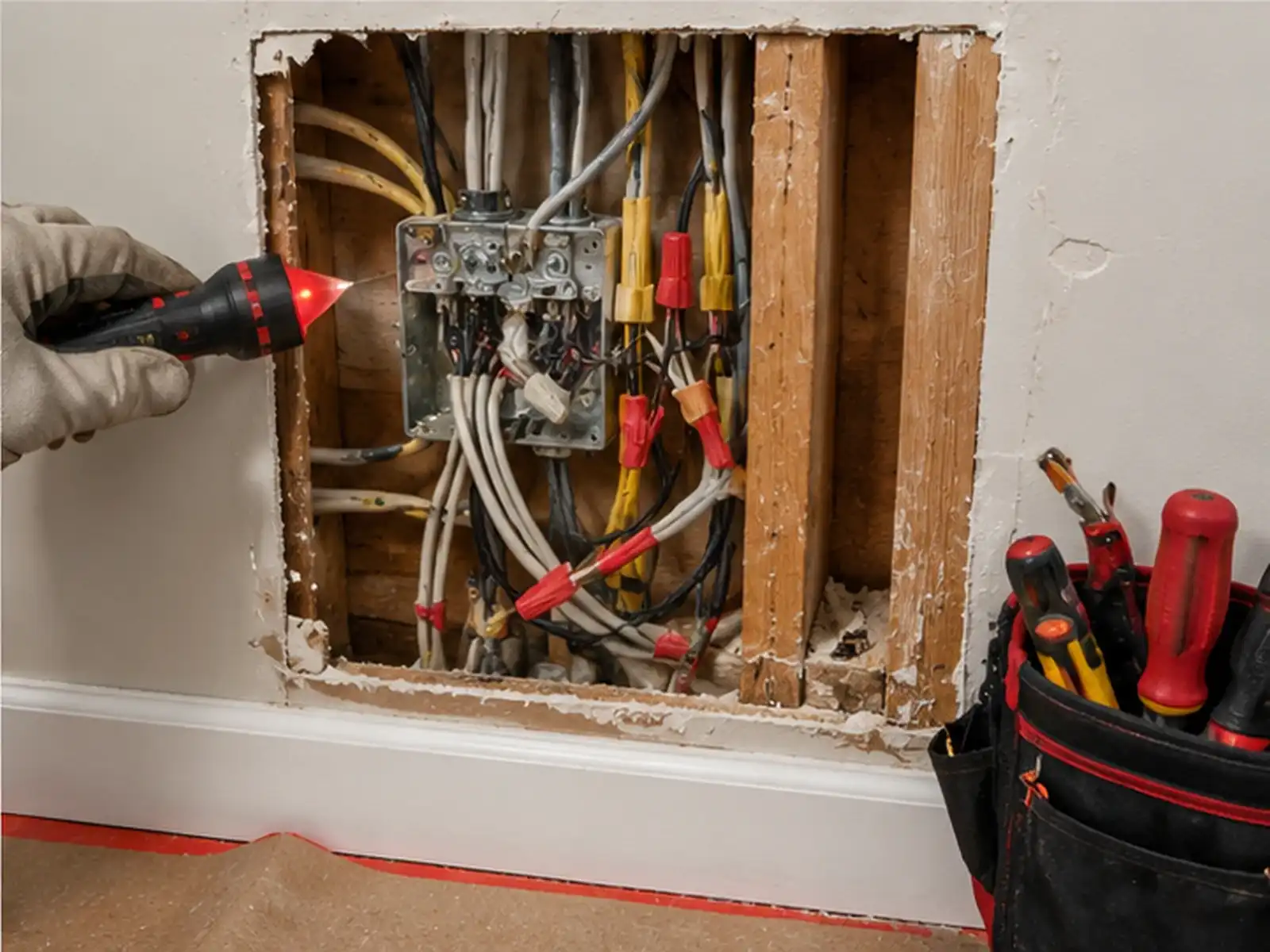
Previous renovations
Unpermitted changes are a common concern in older homes. A finished basement or renovated kitchen may look modern while hiding overloaded circuits or incomplete electrical work.
Our Ottawa electrical wiring services cover new circuits, wiring upgrades, renovations, and professional troubleshooting.
How to Future-Proof a Home Electrical Upgrade
Future-proofing does not mean buying the biggest panel available.
It means building a system that fits the home’s likely needs without paying for equipment that will never be used.
Start by discussing your five-year home plan.
| Future plan | What should be reviewed now? |
|---|---|
| Buying an EV | Charger size, charging schedule, panel space, service capacity, and load management |
| Switching to a heat pump | Outdoor unit, backup heat, current heating fuel, and total winter electrical demand |
| Adding a hot tub or sauna | Dedicated circuit, GFCI protection, panel space, and cable route |
| Renovating the kitchen | Range, wall oven, microwave, dishwasher, receptacles, and lighting circuits |
| Finishing the basement | Heating, kitchen equipment, laundry, smoke alarms, and possible suite requirements |
| Adding solar or batteries | Interconnection equipment, panel configuration, and future bidirectional equipment |
| Installing a generator | Transfer equipment, selected backup loads, fuel type, and utility requirements |
Consider staged work
Sometimes it makes sense to upgrade the panel and electrical service now, then add individual appliance circuits later. The initial design can leave clear spaces and pathways for the next phase.
Ask about load management
Approved load-management equipment may allow certain high-demand devices to operate only when enough capacity is available. In some homes, this can reduce the need for a larger service.
It is not right for every home or every appliance. The electrician must verify product compatibility and code requirements.
A bigger panel does not lower your energy bill
A new panel can improve safety, reliability, circuit organization, and available capacity. It does not make appliances use less energy.
Energy savings come from the appliances, controls, insulation, operating schedule, and the way the home uses power.
Tell us what you use today and what you may add next. We will help you plan circuits, panel space, service capacity, permits, and future expansion as one project.
Same-Day Quote
What to Ask Before Hiring an Ottawa Electrician
Electrical work in Ontario should not be awarded based on price alone.
Ask these questions before accepting an estimate.
-
Are you a Licensed Electrical Contractor?
Ask for the company’s ECRA/ESA licence number. You can verify contractors with the ESA Contractor Locator Tool . -
Are you quoting a panel replacement or a full service upgrade?
The estimate should clearly explain the difference. -
Who will file the ESA notification?
The contractor should explain the permit and inspection process in plain language. -
Will Hydro Ottawa need to disconnect the service?
Ask who submits the request, who pays utility charges, and how far ahead the project must be scheduled. -
What is excluded from the estimate?
Ask about drywall, painting, trenching, landscaping, utility charges, code corrections, and unexpected wiring defects. -
Will I receive the Certificate of Acceptance?
Keep this document with your home records, insurance information, and future sale documents. -
How long will the power be off?
Ask how to prepare refrigerators, freezers, internet equipment, sump pumps, medical devices, and home offices. -
How will future circuits be planned?
A clean panel schedule and available breaker spaces can make later upgrades easier.
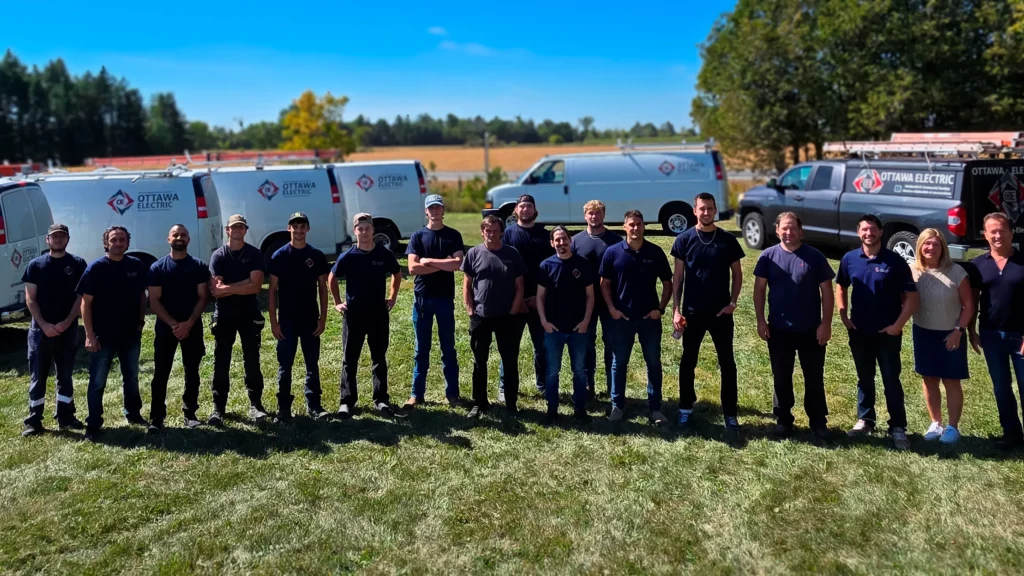
Ottawa Electric operates as 9920692 Canada Inc. o/a Ottawa Electric under Electrical Licence #7011785. We are fully insured with $10 million in liability coverage and are led by Founder & Master Electrician Matt Fortin, who has worked in the electrical industry since 2005.
Home Electrical Upgrade Planning Checklist
A little preparation can make the first assessment more useful and reduce surprises later in the project.
-
Photograph the visible equipment Take clear photos of the panel, main breaker, meter, and service entry without removing any covers.
-
Record the main breaker size Write down the number shown on the main breaker, but do not assume it tells the whole story.
-
List future projects Write down every major appliance or electrical system you may add during the next five years.
-
Collect equipment specifications Find model numbers or specification sheets for EV chargers, hot tubs, heat pumps, saunas, and other large loads.
-
Gather recent electricity information Keep recent bills or available usage reports ready for the assessment.
-
Document warning signs Note breaker trips, flickering lights, warm outlets, unusual sounds, or partial power losses.
-
Confirm the proposed scope Ask whether the work is a panel replacement, service upgrade, subpanel, dedicated circuit, or wiring repair.
-
Review permits and utility work Confirm which ESA notifications, inspections, Hydro Ottawa requests, and fees are included.
-
Prepare for the outage Ask how long the power will be disconnected and what must be protected or temporarily powered.
-
Keep the final records Save the invoice, equipment information, panel schedule, and Certificate of Acceptance.
Simple preparation timeline
| When | Homeowner action |
|---|---|
| Before requesting estimates | List current problems and future electrical plans |
| During the assessment | Ask the electrician to explain the load calculation and proposed scope |
| Before accepting the estimate | Compare inclusions, exclusions, permits, and utility work |
| Several weeks before service work | Confirm that the Hydro Ottawa request has been submitted when required |
| Before installation day | Clear access and prepare the home for the planned outage |
| After completion | Receive labels, operating information, invoice, and ESA documentation |
Upgrade With a Plan, Not a Guess
A home electrical upgrade should solve a real problem.
Sometimes the answer is a dedicated circuit. Sometimes it is a subpanel. In other homes, the panel needs replacement, the wiring needs attention, or the full electrical service must be upgraded.
The best first step is not choosing an amperage. It is understanding your home’s current condition and future power needs.
We begin with the panel, electrical service, wiring, major appliances, and planned projects. From there, the correct solution becomes much clearer.
FAQs
Does every 100-amp home need an electrical panel upgrade?
No. A 100-amp service may still be suitable for a home with modest electrical demand. The decision should consider the home’s load calculation, equipment condition, planned additions, and available breaker space.
Is a 200-amp panel enough for an Ottawa home?
It is enough for many homes, but not all. A larger all-electric property, multiple EV chargers, electric backup heating, or other large loads may require a different design. The load calculation decides.
Is a panel replacement the same as a service upgrade?
No. A panel replacement changes the distribution equipment. A service upgrade increases or changes the electrical supply available to the home and may include the panel, meter base, conductors, utility connection, and other equipment.
Can a subpanel prevent the need for a service upgrade?
A subpanel adds breaker spaces. It does not add total service capacity. It may solve a space problem only when the existing service can handle the additional circuits.
Will an electrical panel upgrade reduce my hydro bill?
Not by itself. A panel distributes power; it does not reduce how much power appliances consume. Efficient appliances, better controls, improved insulation, and off-peak scheduling can affect energy use.
How long does an electrical panel upgrade take?
Many panel projects can be completed within a working day, but the full schedule may be longer because of estimates, materials, ESA requirements, Hydro Ottawa coordination, inspections, and reconnection. Complex work may take longer.
How long will the power be off?
The outage depends on the scope and coordination. Ask the contractor for the expected disconnection window and prepare refrigerators, sump pumps, medical equipment, internet equipment, and home offices in advance.
Does an electrical panel upgrade require an ESA permit?
Most panel changes, new circuits, service work, and significant electrical changes require an ESA notification. The contractor should confirm the exact requirement and file it before work begins.
Do I receive proof that the work passed?
When the work has been reviewed and passed, ESA issues a Certificate of Acceptance to the person who filed the notification. Ask your contractor for a copy and store it with your home records.
Can I upgrade my own electrical panel?
Panel and service work can expose a person to severe shock, arc flash, fire, and other hazards. In Ontario, homeowners may perform some electrical work in their own occupied home under specific rules, but they must file the required notification and meet inspection requirements. A panel or service upgrade should be handled by a qualified Licensed Electrical Contractor.
What should I do if a breaker keeps tripping?
Move it fully to the OFF position and then back to ON once. If it trips again, leave it off. Disconnecting an obvious portable appliance may help identify the cause, but do not open the panel or keep resetting the breaker.
Share on Social Media:
Hey! I’m Matt Fortin, Founder & Master Electrician of Ottawa Electric. I have 20+ years of electrical industry experience across residential, commercial, and heavy industrial work. I lead our team with a focus on safety, quality workmanship, and clear communication.