Ottawa’s Pool Electrical Requirements
(Safe Swimming Starts Here)
- 21 min read
- Published on:
- Updated on: May 19, 2026
- 21 min read
- Published on:
- Updated on: May 19, 2026


Quick Summary
Every spring, Ottawa pool owners need to check three important things:
- GFCI protection (the device that prevents electric shock)
- Proper bonding (grounding all metal parts)
- A licensed electrician inspection
Here’s what you need to know: New electrical safety rules took effect in May 2025. If you’re doing any new pool electrical work, these updated standards apply to you.
This guide explains Ottawa’s pool season timeline, when you need inspections, and what it actually costs to hire a qualified pool electrician. We’ll help you keep your family safe and avoid any legal headaches this summer.
Why This Actually Matters
Picture this:
It’s late May in Ottawa. The tulips are finally blooming, and it hits 25°C. Your kids are begging to jump in the pool.
You pull back the winter cover and flip the pump switch…
Nothing happens. Or worse—something sparks.
Why Ottawa pools are different
Our harsh winters create real electrical problems. Freeze-thaw cycles stress your connections. Ground shifts damage underground wiring. And after months sitting unused, issues hide until opening day.
Unlike pools in Florida that run year-round, ours face a short season. That makes spring prep critical.
The real concern: Is my pool safe?
Most Ottawa pool owners worry about the same things:
- Confusing ESA regulations
- New 2024 electrical code requirements
- Vague contractor estimates
- Horror stories about DIY electrical disasters
You invested in a backyard oasis for your family. You shouldn’t have to worry about hidden electrical hazards every time they swim.
What this guide does
We’ll cut through the confusion and explain:
- What electrical requirements actually apply to Ottawa pools
- Local inspection rules you need to follow
- Realistic costs (no surprises)
- How to choose the right electrician
By the end, you’ll have a clear action plan for a safe pool season—no stress, no guesswork.
Understanding Ottawa's Pool Season: What Makes Us Different
Ottawa's short pool season creates big electrical problems
Our pool season runs late May through September—sometimes into mid-October if we’re lucky. Most owners close around Thanksgiving weekend when water temps drop below 10-18°C.
That short season creates three electrical challenges you won’t find in warmer climates.
Problem #1: Extreme temperature swings damage equipment
Your pool pump, heater, and lights sit unused from October to April. During those months, moisture gets inside, condensation freezes, and connections corrode. The issue? These problems don’t show up right away. They appear as random failures mid-season—or dangerous sparks when you least expect them.
Problem #2: Your GFCI protection might fail after winter
The Canadian Electrical Code requires GFCI protection for all pool equipment. That’s the device that prevents electric shocks around water. But here’s the catch: GFCIs can fail after months in the cold. Testing them each spring isn’t optional—it’s essential for your family’s safety.
Problem #3: Ottawa's clay soil shifts your wiring
Our clay soil and freeze-thaw cycles cause “frost heave”—the ground literally shifts during winter. Underground wiring that was perfectly safe in August might have moved by May. Licensed electricians who work in Ottawa know where to look for these hidden ground faults that you can’t see.
Don't forget about Hydro Ottawa clearances
Hydro Ottawa has strict rules about how close pools can be to power lines (both overhead and underground). These aren’t suggestions—they affect where you can position equipment, how long your wiring runs need to be, and whether you need expensive repositioning later. Your electrician should check these clearances during their site visit to avoid costly surprises.
Protect your investment
In-ground pools cost $30,000 to $80,000. Electrical safety isn’t just about following rules—it’s about protecting that investment and keeping your family safe.
ESA Requirements and the 2024 Code Changes
The Electrical Safety Authority (ESA) governs all residential electrical work in Ontario, including pools. Here’s what every Ottawa pool owner must know—including important changes that took effect this year.
The 2024 Ontario Electrical Safety Code (Effective May 1, 2025):
The biggest news for pool owners is that the 2024 Ontario Electrical Safety Code became mandatory on May 1, 2025. This update strengthened Section 68 bonding requirements for pools and spas, introducing several critical changes:
- Enhanced bonding continuity around pool perimeters
- Pool water bonding requirements via corrosion-resistant conductive surfaces
- Below-grade copper bonding grids using No. 6 AWG bonding conductors in certain installations
- Clarified deck equipotential bonding standards
What does this mean in plain English? The new code ensures all conductive parts—water, deck surfaces, equipment, ladders, rails—maintain the same electrical potential, dramatically reducing shock risk if a fault occurs. While this adds some complexity and cost to installations, it creates a much clearer pass/fail line during inspections and makes pools objectively safer.
Ottawa Electric’s electricians received specialized training on these 2024 OESC Section 68 updates before they took effect, giving us months of experience implementing the enhanced bonding requirements while many contractors are still learning the details.
ESA Notification (Permit) Requirements:
Any new pool installation or major electrical modification requires filing an ESA notification—commonly called a permit, though technically it’s a notification process. This includes:
- Adding circuits for pumps or heaters
- Installing pool lighting systems
- Upgrading panels to handle increased electrical load
- Modifying existing pool electrical systems
Your electrician should handle all ESA notification filings—if they don’t mention this process, that’s your first red flag. Ottawa Electric manages the entire ESA notification and inspection process for every pool project, so you never navigate bureaucracy alone.
Mandatory Safety Features:
ESA regulations require three critical safety elements for every pool:
- GFCI Protection: All pool equipment must connect through ground fault circuit interrupters. These devices detect current leaks and shut off power in milliseconds, preventing electrocution. Ottawa's weather extremes mean GFCIs should be tested monthly during swim season and inspected by a licensed electrician each spring.
- Proper Bonding: Under the 2024 code, bonding requirements are more comprehensive than ever. Metal components like ladders, rails, pumps, and lighting must be electrically bonded together using proper wire gauges and connection methods. The enhanced water bonding and equipotential plane requirements ensure voltage differences can't develop between any conductive surfaces swimmers might touch.
- Dedicated Circuits: Pool equipment needs its own dedicated electrical circuits. You can't share circuits with your deck lights or backyard speakers. This prevents overloads and ensures GFCI protection works correctly.
Inspection Timeline:
After electrical work is completed, ESA inspectors verify everything meets current code requirements. In Ottawa, expect inspection scheduling within 5-10 business days during peak construction season (May-August). Your electrician coordinates this process and must be present during the inspection, which typically takes 30-60 minutes.
What About Older Pools?
If your pool electrical system was installed years ago and passed inspection at that time, you’re generally acceptable if nothing has changed. However, any new electrical work performed today must meet the current 2024 OESC standards—you can’t add new circuits or equipment under old code rules. A professional inspection can confirm your system’s status and recommend any advisable upgrades for safety, even if not legally required.
City of Ottawa vs. ESA Jurisdiction:
It’s important to understand who regulates what. The City of Ottawa handles pool enclosure permits, site planning, and utility clearance verification—they require you to “Call Before You Dig” to locate underground utilities. However, the City does not regulate electrical installations. That responsibility belongs entirely to ESA. Ottawa Electric coordinates with both jurisdictions routinely, ensuring your project proceeds smoothly without permit conflicts or delays that could push your pool opening date back weeks.
Professional Pool Electrical Installation in Ottawa
Get expert pool electrical installation with proper GFCI protection, 2024 OESC-compliant bonding, and complete ESA coordination.

What Pool Electrical Work Actually Costs in Ottawa
Let’s talk numbers with more granularity than most contractors provide. Understanding realistic costs helps you budget appropriately and recognize when quotes are too good (or bad) to be true.
Component-by-Component Breakdown:
- Power to Equipment Pad
- Cost: $700-$1,800+
- Includes: 240V circuit from panel to pump/heater location, GFCI protection, weatherproof disconnect, in-use covers
- Variables: Panel proximity, trenching difficulty, concrete core drilling needs, existing panel capacity
- Bonding & Grounding Upgrades
- Cost: $400-$1,500+
- Includes: Perimeter bonding grid, deck equipotential bonding, water bonding connections (2024 OESC requirements), equipment bonding
- Variables: Deck type (pavers vs. concrete), accessibility, pool size, existing bonding condition
- Note: 2024 code changes may increase costs compared to pre-2025 installations due to enhanced bonding requirements
- Lighting & Receptacles
- Cost: $300-$1,200+
- Includes: Low-voltage or code-compliant nicheless LEDs, transformer placement, GFCI receptacles at required distances
- Variables: Number of lights, underwater vs. perimeter, automation integration, distance from panel
- Automation & Load Management
- Cost: $250-$900+
- Includes: Timers, smart relays, panel load calculations, energy management systems
- Variables: Automation complexity, existing panel capacity, integration with home systems
- ESA Notifications & Inspection Fees
- Costs vary; your electrician typically bundles these into the total project cost
- Includes: Filing fees, inspection scheduling, any required follow-up inspections
Realistic Total Project Costs:
- Straightforward retrofits: $1,500-$4,000+
- Complex installations: $3,500-$7,500+
- New construction with extensive features: $5,000-$10,000+
Above-ground pools with simpler electrical needs typically fall in the $800-$1,500 range.
Ottawa Electric's Transparent Pricing Approach:
Unlike contractors who provide vague “all-inclusive” estimates, Ottawa Electric breaks down every component so you understand exactly what you’re paying for. Our written estimates specify wire gauges, conduit types, GFCI brands, labor hours, ESA fees, and timeline milestones. When you review our estimates alongside competitors, you’ll notice the level of detail—it’s how we’ve built trust with Ottawa pool owners for over 15 years.
Cost Variables That Matter Most:
📏 Distance from Panel: Every additional 20 feet of trenching adds labor and materials. A pump pad 80 feet from your electrical panel costs significantly more than a 20-foot run. Underground wiring requires trenching, conduit, proper burial depth, and backfilling—all labor-intensive work.
⚡ Panel Capacity: Many Ottawa homes built before 2000 have 100-amp electrical services. Adding pool equipment often requires upgrading to 200-amp service, which adds $2,500-$4,000 to your project but becomes necessary for safety and code compliance. Ottawa Electric performs load calculations during every site assessment to identify upgrade needs before you commit to the project.
🗺️ Site Conditions: Rocky soil, existing landscaping, irrigation systems, or underground utilities that need careful navigation all increase trenching complexity and cost. Concrete decks requiring core drilling cost more than working around paver installations.
📘 2024 Code Compliance: Enhanced bonding requirements under the 2024 OESC add materials and labor compared to older installations. While this increases upfront costs somewhat, it delivers measurably better safety outcomes—and it’s not optional for work performed after May 1, 2025.
What You're Really Paying For:
Quality pool electrical work isn’t just about connecting wires. You’re paying for:
- Expertise in 2024 Ontario Electrical Safety Code pool requirements
- Proper wire sizing calculations for your specific equipment
- Knowledge of Ottawa’s soil conditions, grounding challenges, and Hydro Ottawa clearances
- ESA notification filing and inspection coordination
- Warranty protection and insurance coverage
- Peace of mind that your family swims safely
The cheapest quote rarely delivers the best value. Focus instead on electricians who explain their process, show proof of ESA licensing and insurance, and provide detailed written estimates that break down materials, labor, notifications, and timeline.
DIY vs. Licensed Pool Electrician: The Real Cost Comparison
Many Ottawa homeowners wonder whether electrical work really requires a professional, especially given the costs outlined above. Here’s the honest, comprehensive breakdown:
| Factor | DIY Approach | Ottawa Electric’s Professional Service |
|---|---|---|
| 2024 OESC Compliance | High risk of missing enhanced bonding requirements, water bonding, equipotential plane details | Ottawa Electric electricians trained on 2024 OESC Section 68 before May 2025 effective date; designs systems that pass inspection first time |
| ESA Notification & Inspection | Owner must file notification, schedule inspections, be present, understand deficiencies, and coordinate corrections | Ottawa Electric files all notifications, manages inspection scheduling, coordinates with ESA, corrects any deficiencies—you never navigate bureaucracy |
| Code Knowledge | Guesswork from YouTube videos (often outdated, incomplete, or wrong) | Current 2024 OESC expertise verified through ongoing training and ESA relationship |
| Insurance Coverage | Voids homeowner’s liability policy for electrical work; could jeopardize future claims | Full liability protection; Ottawa Electric’s contractor insurance covers errors and accidents |
| Time Investment | 20-40 hours for inexperienced homeowner (learning, shopping, trenching, installing, troubleshooting) | 6-12 hours professional work; Ottawa Electric coordinates all aspects including inspections |
| Safety Outcomes | Mis-bonding or incorrect GFCI types leave real shock hazards; high risk of electrocution during installation | Verified bonding/equipotential planes, proper GFCI protection devices, professional safety protocols followed |
| Inspection Pass Rate | High failure rate; many DIY installations require professional correction to pass | Ottawa Electric’s first-time pass rate exceeds 95% due to 15+ years experience and code expertise |
| Warranty | None—you own all problems | Ottawa Electric provides 3-year workmanship warranty; documented ESA record adds resale value |
| Resale Impact | Major red flag for buyers; home inspectors flag unpermitted work; may require expensive corrections before closing | Clean ESA inspection records enhance value; Ottawa Electric installations documented properly |
| Long-term Cost | Often requires professional correction ($2,500-$6,000); failed inspections, safety issues frequently exceed professional installation cost | Right the first time; predictable, warrantied investment with long-term support |
| Utility Clearances | Easy to miss Hydro Ottawa clearance requirements; repositioning after installation is expensive | Ottawa Electric verifies all clearances during planning; equipment positioned correctly from start |
| Local Soil Challenges | No understanding of Ottawa clay soil grounding issues | Ottawa Electric’s experience with local soil conditions prevents problems before they start |
The Real Math:
DIY might appear to save $1,000-$2,000 upfront. However, when you factor in:
- ESA inspection failure correction costs (often $1,500-$3,500)
- Time value of 20-40 hours of difficult physical work
- Tools and equipment rental
- Risk of equipment damage due to improper installation
- Potential insurance claim denial
- Resale complications requiring correction before closing
- Real safety risks to you and your family
…the “savings” evaporate quickly. Most homeowners who attempt DIY pool electrical work end up paying 150-200% of professional installation costs when correction work is included.
Pool electrical systems combine two of the most dangerous DIY situations: electricity and water. Even experienced electricians approach pool work with extra caution because the consequences of mistakes are severe. The 2024 OESC changes make this even more true—bonding requirements are more complex than ever, and missing details creates real hazards.
This isn’t installing a light fixture—it’s protecting your family from electrocution while ensuring compliance with enhanced safety codes implemented specifically because pool electrical accidents have serious consequences.
For related electrical safety guidance, review our essential electrical maintenance tips and electrical safety standards articles.
Professional Pool Electrical Installation in Ottawa
Get expert pool electrical installation with proper GFCI protection, 2024 OESC-compliant bonding, and complete ESA coordination.
Why Ottawa Electric Is the Trusted Choice for Pool Electrical Work
Not all electricians handle pool work equally well. When interviewing contractors, verify they hold current Master Electrician or Licensed Electrical Contractor designation with ESA (verify at esasafe.com). Ask about pool-specific experience, especially regarding 2024 OESC Section 68 bonding requirements that took effect May 1, 2025.
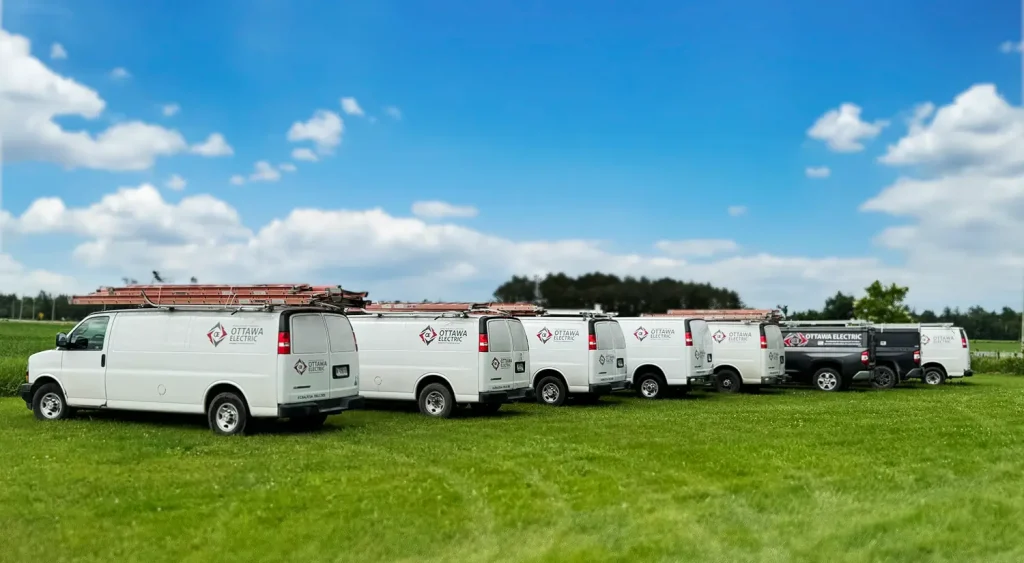
What sets Ottawa Electric apart after 15+ years serving Ottawa pool owners:
- Pool Expertise That Passes Inspection: Our electricians completed specialized 2024 OESC Section 68 training months before the May 2025 effective date. We've since finished dozens of installations under the new bonding standards with a 95%+ first-time ESA inspection pass rate—while many contractors are still learning the requirements.
- Ottawa-Specific Knowledge: We know which Ottawa neighborhoods have challenging clay soil conditions, where Hydro Ottawa infrastructure creates clearance constraints, and how to protect connections against freeze-thaw cycles. This isn't textbook knowledge—it's earned through thousands of local installations across Ottawa, Kanata, Orleans, Barrhaven, and Manotick.
- Complete Coordination: Ottawa Electric handles all ESA notification filing, inspection scheduling, Hydro Ottawa clearance verification, and City of Ottawa permit coordination. We have working relationships with ESA inspectors and major pool contractors, keeping projects on schedule while you avoid bureaucracy entirely.
- Transparent, Detailed Estimates: Our written estimates break down every component—wire gauges, conduit specs, GFCI brands, labor hours by task, ESA fees, timeline milestones, and payment schedule. You'll know exactly what you're paying for with no surprises at final invoice.
- Education and Support: When we complete your installation, we walk you through system configuration, demonstrate GFCI testing, show you where every shutoff is located, explain normal versus warning sounds, and provide written documentation. Many customers tell us this educational component gives them confidence other contractors never provided.
- Backed by Results:
- 3-year workmanship warranty on all pool electrical installations
- 4.8 Google rating from hundreds of satisfied Ottawa pool owners
- Proven track record handling ESA inspections with every inspector covering the Ottawa region
Questions to ask any pool electrician:
- How many pool installations do you complete annually in Ottawa?
- Can you show ESA inspection records from installations after May 1, 2025?
- Who handles ESA notifications and coordinates inspections?
- What warranty do you provide on workmanship?
For comprehensive information on choosing qualified electrical contractors, the Electrical Safety Authority provides contractor verification tools and consumer resources. The City of Ottawa Pool Enclosures page offers guidance on permits and clearances. For utility clearance information specific to Ottawa pools, review Hydro Ottawa’s Swimming Pool Safety guidelines.
Conclusion
You now understand Ottawa’s unique pool electrical requirements, the 2024 code changes, realistic costs, and why licensed professionals matter. Here’s how to move forward confidently.
For New Pool Installations:
Contact Ottawa Electric early in your planning process—ideally before finalizing pool contracts. Electrical work timing affects pool installation schedules, and early planning prevents expensive delays, equipment repositioning, or code compliance compromises.
Key planning questions we’ll address during your free consultation:
- Where should equipment be positioned relative to your electrical panel?
- Do Hydro Ottawa clearances affect your preferred pool location?
- Does your current electrical service require upgrading?
- What’s the realistic timeline from ESA notification through final inspection?
- How do 2024 OESC bonding requirements affect installation complexity and cost?
For Existing Pools:
Schedule an Ottawa Electric spring safety inspection before opening season begins. Our electricians identify winter damage, test safety devices, verify bonding integrity according to current standards, and ensure everything operates safely. Think of it like a tune-up for your car—small preventive steps avoid major problems later.
This is especially important if your pool was installed before May 1, 2025. While your existing system may be grandfathered for compliance, our assessment can identify safety improvements worth making even if not legally required—and give you peace of mind that your family swims safely.
For DIY Enthusiasts:
Channel your energy into pool maintenance tasks that don’t involve electrical systems. You can safely handle:
- Water chemistry and testing
- Filter cleaning and maintenance
- Vacuum operation and cleaning
- Seasonal cover installation
- Non-electrical equipment care
Leave the electrical work—especially anything involving bonding, GFCI protection, or code compliance—to Ottawa Electric’s professionals who understand both the technical requirements and safety stakes.
FAQs
Do I need an ESA notification (permit) for pool electrical work in Ottawa?
Yes. In Ontario, most pool and hot tub electrical work requires filing an ESA notification—commonly called a permit—and passing inspections to verify compliance with the Ontario Electrical Safety Code. This includes new installations, major modifications, equipment additions, and circuit upgrades. Your licensed electrician should handle all ESA notification filing and inspection coordination as part of their service. Ottawa Electric manages this entire process for every pool project, so you never navigate government bureaucracy alone. Skipping this process creates serious safety risks, insurance complications, potential resale problems, and leaves you legally non-compliant.
What changed with the 2024 Ontario Electrical Safety Code for pools?
The 2024 OESC took effect May 1, 2025, introducing enhanced safety requirements for pools and spas under Section 68. Key changes include strengthened bonding continuity around pool perimeters, mandatory pool water bonding via corrosion-resistant conductive surfaces, below-grade copper bonding grids using No. 6 AWG conductors in certain installations, and clarified deck equipotential bonding standards. These changes make pools objectively safer by ensuring all conductive parts maintain the same electrical potential, dramatically reducing shock risk. Any electrical work performed after May 1, 2025, must comply with these enhanced requirements. Ottawa Electric’s electricians received training on these updates before they took effect, giving us months of practical experience implementing the new standards.
How much does pool electrical work cost in Ottawa?
Typical pool electrical installation costs range from $1,500-$4,000 for straightforward retrofits and $3,500-$7,500+ for complex installations. Component costs break down approximately as: power to equipment pad ($700-$1,800+), bonding and grounding upgrades ($400-$1,500+), lighting and receptacles ($300-$1,200+), and automation/load management ($250-$900+). Above-ground pools with simpler needs typically cost $800-$1,500. Final costs depend on distance from your electrical panel, whether panel upgrades are needed (add $2,500-$4,000), equipment complexity, site conditions, trenching difficulty, and 2024 OESC compliance requirements. Ottawa Electric provides detailed written estimates with component-level breakdowns so you understand exactly what you’re paying for—no surprises or hidden fees.
Can I do pool electrical work myself in Ottawa?
Technically, Ontario homeowners can perform electrical work on their own property. However, pool electrical systems are extremely dangerous—combining electricity and water creates serious electrocution risks—and require ESA notifications and inspections regardless of who performs the work. The 2024 OESC’s enhanced bonding requirements add significant complexity that even experienced DIYers often miss. Most DIY pool electrical projects fail inspection and require expensive professional correction, often costing 150-200% of professional installation when you include correction work, time investment, tools, and inspection fees. Given the serious safety risks involved and the high failure rate, Ottawa Electric strongly recommends hiring licensed professionals. Your family’s safety and legal compliance aren’t areas to compromise.
How long does ESA inspection take after pool electrical work in Ottawa?
After Ottawa Electric completes your pool electrical work and files the ESA notification, inspection scheduling typically occurs within 5-10 business days during peak construction season (May-August). Off-season scheduling may be faster. The actual on-site inspection takes approximately 30-60 minutes. Your electrician must be present during the inspection and will coordinate all scheduling. If the inspector identifies any deficiencies, your electrician corrects them and requests re-inspection. Ottawa Electric’s first-time pass rate exceeds 95%, minimizing delays and ensuring your pool opens on schedule. Plan for this timeline when scheduling your pool opening—starting electrical work 2-3 weeks before your target date provides comfortable buffer for inspection coordination.
What if my older pool passed inspection years ago under old code?
Existing pool electrical installations that passed ESA inspection when they were installed are generally acceptable if nothing has changed—this is called “grandfathering.” However, any new electrical work performed today must meet the current 2024 OESC requirements in effect since May 1, 2025. You can’t add new circuits, upgrade equipment, or modify systems under old code rules. Even if your system is grandfathered for legal compliance, Ottawa Electric recommends considering a professional safety inspection to identify improvements worth making voluntarily. The 2024 OESC’s enhanced bonding requirements exist because they measurably reduce shock risk—upgrading older systems, while not legally required, can provide valuable additional safety for your family. We’ll provide honest assessment of what’s necessary versus what’s advisable based on your specific installation.
Who handles inspections—the City of Ottawa or ESA?
Electrical inspections are handled exclusively by the Electrical Safety Authority (ESA), not the City of Ottawa. However, the City of Ottawa regulates pool enclosures, site planning, and utility clearance verification. If you’re building a new pool, you may need both a City of Ottawa pool enclosure permit and ESA electrical notifications. The City requires you to “Call Before You Dig” (Ontario One Call: 1-800-400-2255) to locate underground utilities before trenching. Ottawa Electric coordinates with both jurisdictions routinely, ensuring your project proceeds smoothly without permit conflicts, jurisdiction confusion, or delays. Understanding this jurisdictional split prevents the common mistake of contacting the wrong agency and wasting valuable time during your compressed Ottawa pool season.
Share on Social Media:
Hey! I’m Matt Fortin, Founder & Master Electrician of Ottawa Electric. I have 20+ years of electrical industry experience across residential, commercial, and heavy industrial work. I lead our team with a focus on safety, quality workmanship, and clear communication.
Table of Contents
Get Professional Pool Electrical Installation in Ottawa
Ready to enjoy your pool with complete peace of mind?
Our licensed electricians handle everything to ensure your family swims safely all summer long.
Same-Day Quote