Upgrade Baseboard Heaters in Ottawa Heritage Homes
Without Losing the Charm
- 9 min read
- Published on:
- Updated on: May 19, 2026
- 9 min read
- Published on:
- Updated on: May 19, 2026
Quick Summary
Heritage homes in the Glebe, Sandy Hill, and Westboro can be warmer, quieter, and cheaper to heat—without touching the features you love. This guide shows discreet baseboard upgrades, permit steps with the City of Ottawa, and smart controls that respect your home’s character while improving comfort.
Introduction: Warmth that Respects Your Home’s Story
Ottawa’s heritage homes are beautiful—and often draft-prone. Perhaps you love your century brick in the Glebe but dread that chilly front parlour; maybe your Sandy Hill Victorian relies on tired baseboards and a single stubborn thermostat. Or in Westboro, your 1930s bungalow’s sunroom lags five degrees behind the rest of the house. You want modern comfort and saner bills, but not at the expense of original trim, plaster, or wainscot.
Trusted Heritage Electrician: For discreet, code-compliant upgrades in Glebe, Sandy Hill, and Westboro, partner with Ottawa Electric—Electric Baseboard Heater Installation. Our team balances comfort, ESA compliance, and heritage character on every job.
This article outlines how to upgrade (or supplement) baseboards so your system works with the architecture. You’ll see neighbourhood-specific guidance, City of Ottawa permit basics, and a practical sequence from assessment to final inspection—ending with a free in-home assessment tailored to heritage properties.
Why Baseboard Upgrades Matter in Heritage Districts

Electric baseboard heat is simple and safe, but older units and line-voltage controls are often inefficient, noisy, or poorly zoned. Newer heaters are quieter, slimmer, and pair with smart, line-voltage thermostats that learn schedules and reduce waste—especially under Time-of-Use (TOU) or Ultra-Low Overnight (ULO) pricing.
- Comfort: faster, more even heat with right-sized units and proper zoning.
- Control: room-by-room thermostats (ENERGY STAR® smart options) that automatically lower usage when you’re asleep or out. (Natural Resources Canada, 2025)
Compliance & safety: electrical work is permitted and inspected through the Electrical Safety Authority (ESA)—a must for resale, insurance, and peace of mind. (ESA guidance, 2025)
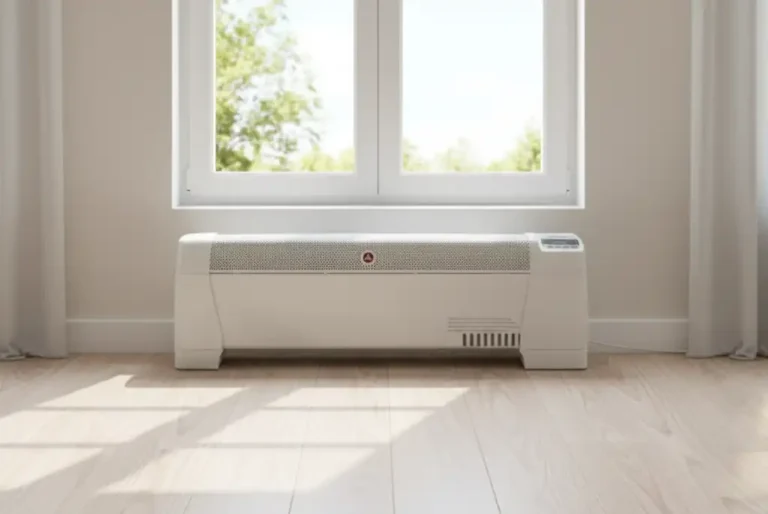
Modern low-profile baseboards paired with line-voltage smart thermostats deliver even heat and lower runtime without touching original trim.
Heritage Context by Neighbourhood
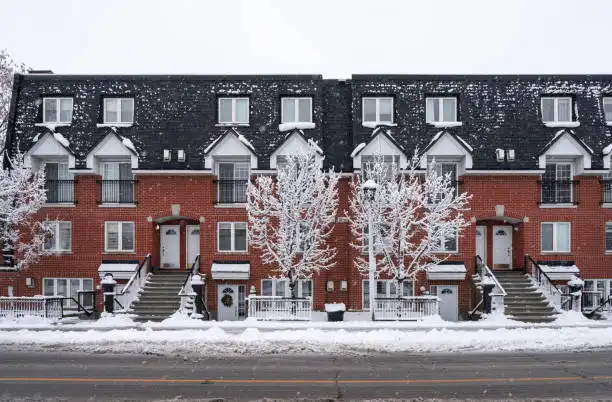
The Glebe: Early-1900s Arts & Crafts and Edwardian Plans

Large front rooms, bays, and stair halls create stratification. Narrow wall cavities and original plaster limit invasive ducting. Low-profile baseboards and zoned controls excel here: you preserve casing and wainscot while addressing cold corners.
Sandy Hill: Victorian/Edwardian Grandeur

High ceilings and ornate trim mean heat rises and drafts linger. Many homes have formal parlours and service areas with different thermal needs. Hydronic-style electric baseboards (wider but low) distribute gentler, even heat and look at home below tall wainscot.
Westboro: Mixed 1920s–1950s

From war-era bungalows to mid-century additions, you’ll find varied room sizes and sunrooms. Discreet supplements (slim baseboards, radiant floor in tiled areas, or a single ductless heat pump head for shoulder seasons) tame those “one room is always cold” issues.
Permit Path: Heritage + Electrical (What to Expect)
If your property is designated under Part IV or within a Heritage Conservation District (HCD), alterations affecting heritage attributes may require a heritage permit. Ottawa’s Heritage Planning Branch encourages early conversations; some alterations are delegated to staff, while others go to Council. Typical processing windows target up to 90 days for formal approvals.
- Start with Heritage Planning: Clarify whether visible changes (e.g., new surface raceways, trim alterations) trigger a permit.
- Electrical permit (ESA Notification of Work): Required for most electrical tasks—replacing or relocating baseboards, adding thermostats, or running new circuits. Keep the Certificate of Inspection for records and insurance.
Coordinate timelines: Plan installation around heritage approvals and ESA inspections to avoid re-work.
Get expert baseboard heater upgrades that respect your home’s character—modern efficiency without sacrificing the architectural details.
What “Good” Looks Like: A Practical Guide to Electric Baseboard Upgrades
Phase 1 — Assess the Space
- Room loads: Measure each room (L×W×H), window area, and exterior walls.
- Cold paths: Note bays, stair halls, and rooms with large glazing.
- Usage patterns: Mark “daily,” “occasionally used,” and “display/guest” rooms—this drives zoning.
Phase 2 — Plan Zoning & Controls
- One thermostat per lived-in zone (bedrooms often share; parlours/dens separate).
- Line-voltage smart thermostats (programmable, occupancy/sensors, open-window detection).
- Name zones clearly (e.g., “Parlour North,” “Sunroom”) and label breakers to match.
Phase 3 — Select & Place Heaters
-
Form factor:
- Low-profile electric baseboards for beneath windows and tight walls.
- Hydronic-style electric baseboards for tall rooms needing steady, gentle heat.
-
Placement rules (high level):
- Favour exterior walls/below windows to counter downdrafts.
- Keep manufacturer clearances; don’t obstruct with furniture or drapery.
- Right-sizing: Match total W to the load; avoid oversizing (leads to short-cycling and uneven comfort).
Phase 4 — Wiring, Safety & Permits
- Electrical permits/inspection: Most jurisdictions require a permit & inspection—file before work.
- Dedicated circuits: Size wire/breaker per manufacturer specs and code (handled by a licensed electrician).
- Legacy wiring check: Confirm panel capacity; review aluminum/knob-and-tube remediation steps where applicable.
Phase 5 — Commissioning & Scheduling
-
Thermostat programming:
- Time-of-Use (TOU): small set-back before peak, pre-warm after peak ends.
- Ultra-Low Overnight (ULO): deeper overnight pre-warm, coast through morning peak.
- Balance pass: After 3–7 days, tweak set-points and schedules; verify each zone reaches/holds temperature.
- Documentation: Record models, serials, breaker numbers, and thermostat schedules; keep the inspection certificate.
Need a pro to run this playbook? For heritage or modern homes alike, Ottawa Electric does the load calc, zoning, permits, and commissioning for you—end-to-end. Get a free estimate.
Technologies That Blend In (and Actually Help)

Low-Profile Electric Baseboards
Slimmer, quieter, safer clearances. Ideal beneath tall windows where convective currents fight drafts.

Hydronic-Style Electric Baseboards
An electric element heats a fluid inside the unit; warmth is gentler and lingers longer—excellent for high-ceiling parlours typical of Sandy Hill.

Programmable/Smart Line-Voltage Thermostats
Schedules, occupancy features, and open-window detection are now common. Many models carry ENERGY STAR® recognition. When paired with Hydro Ottawa’s TOU or ULO plans, pre-warming off-peak can shrink bills without sacrificing comfort.
Targeted Supplements (When Needed)
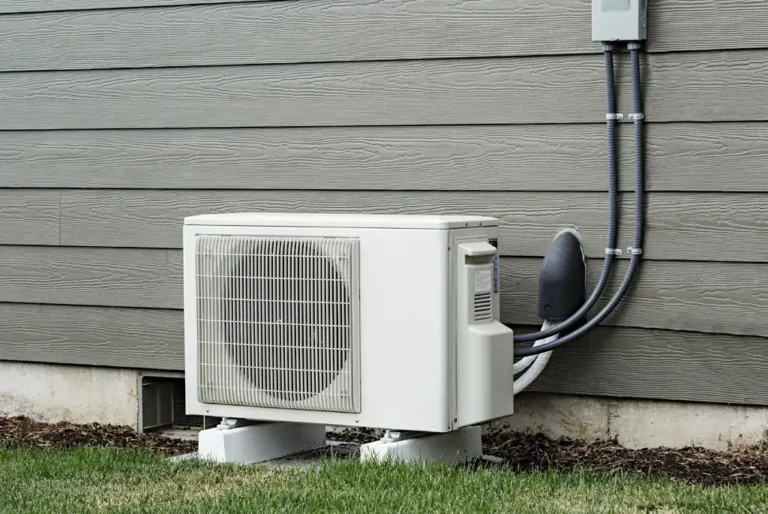
A ductless heat pump head for an open main floor can carry shoulder seasons and reduce baseboard run-time, while bedrooms keep accurate baseboard zoning.
Get expert baseboard heater upgrades that respect your home’s character—modern efficiency without sacrificing the architectural details.
Cost & Operating Considerations
- Upfront: Replacing older baseboards with new low-profile models and line-voltage smart thermostats typically costs far less than invasive ductwork.
- Operating: Savings come from control, zoning, and timing—not magic hardware. Smart thermostats plus TOU/ULO reduce runtime during high-price hours.
Incentives: NRCan resources are updated regularly and may reference provincial offerings; we’ll flag current options during your assessment.
Comparison: Discreet Heating Options for Heritage Interiors
| Option | Best For | Invasiveness | Typical Look | Control & Savings | Heritage Risk |
|---|---|---|---|---|---|
| Low-profile electric baseboards | Drafty rooms below windows (Glebe, Westboro) | Low | Slim, paint-matched | Strong with smart thermostats (TOU/ULO) | Minimal |
| Hydronic-style electric baseboards | Tall rooms, steady warmth (Sandy Hill) | Low–Medium (wider unit) | Classic profile | Gentle heat curve, moderate savings | Low |
| Single ductless heat pump head | Open main floors | Medium (line-set route) | One indoor unit | Large shoulder-season savings | Placement needs care |
| Radiant electric floor (bath/foyer) | Small tiled areas | Medium (floor work) | Invisible finish | Spot comfort; timer control | Low if confined |
Common Pitfalls (and How to Avoid Them)
- Oversizing new heaters: Bigger isn’t better—oversized units short-cycle and feel uneven.
- Single thermostat for an entire floor: You heat rooms you’re not using. Zone by use patterns.
- Rushing permits: Minor visible changes can still affect heritage attributes. Confirm heritage scope first, then file ESA notifications.
- Ignoring rate plans: If you’re on ULO, pre-warm spaces overnight and coast through on-peak.
Why Work with Ottawa Electric on Heritage Baseboard Upgrades
Upgrading baseboard heaters in a heritage home demands more than swapping fixtures. You need an electrician who understands heritage permit nuances, discreet wiring routes, and line-voltage smart controls—and who will protect original plaster, casings, and wainscot while meeting ESA requirements.
Ottawa Electric has 15+ years serving the Glebe, Sandy Hill, and Westboro. We right-size heaters, plan low-profile placements under windows to reduce stratification, and set up line-voltage smart thermostats tuned to TOU/ULO rates. We also handle ESA notifications and coordinate inspections, so you keep your Certificate of Inspection and your home’s character.
→ Book your free in-home heritage heating assessment and see a room-by-room plan that respects your home’s story.
Conclusion
You can modernize comfort in a heritage home without touching the features you love. Start with a clear plan: confirm permits, right-size the heat, add smart control, and schedule warmth when electricity is cheapest. The result? A quieter, cozier home that honours its past and works better today.
Ready to upgrade your heritage home’s heating without compromising its character?
Get a Free Estimate—in 60 minutes you’ll see exactly how we can modernize your heating while respecting your home’s unique history.
FAQs
Do I need a heritage permit just to replace baseboards?
If replacements affect visible, protected attributes (e.g., trim alterations, new surface raceways), you may need a heritage permit. Confirm with the City of Ottawa’s Heritage Planning Branch before work begins.
Do I need an electrical permit to replace heaters or thermostats?
In Ontario, most electrical work requires an ESA Notification of Work and inspection—even many replacements—so plan for it.
Will smart thermostats help with baseboard heat?
Yes. ENERGY STAR® smart thermostats learn schedules and reduce waste, especially with TOU/ULO plans.
Can I keep my original trim?
That’s our priority. We route wiring discreetly and specify low-profile units. If a visible change is necessary, we coordinate heritage approvals first.
Who should upgrade electric baseboards in a heritage home?
Choose a licensed electrician experienced with Ottawa heritage properties. Ottawa Electric plans discreet wiring, manages ESA notifications, and preserves trim and plaster while improving comfort.
Share on Social Media:
Hey! I’m Matt Fortin, Founder & Master Electrician of Ottawa Electric. I have 20+ years of electrical industry experience across residential, commercial, and heavy industrial work. I lead our team with a focus on safety, quality workmanship, and clear communication.
Table of Contents
Upgrade Your Heritage Home Heating System
Stop struggling with inefficient baseboard heaters. Get expert upgrades designed for heritage properties.
Same-Day Quote